Old Norse name
Þórr
Norse god
Thor, Þórr in Old Norse, is the son of Odin and Jörð in the principal sources. The Eddic poems and the Prose Edda show him travelling to the edges of the world, confronting giants and carrying Mjöllnir, the hammer at the heart of so many of his stories.
Strength does not solve everything. The Þrymskviða requires him to wear a disguise, the visit to Útgarða-Loki tests his feats against illusions, and the fishing expedition for Jörmungandr anticipates a duel he will not survive at Ragnarök.
The Gylfaginning and several poetic expressions name Thor as the son of Odin and Jörð, the Earth. Jörð also appears under names or poetic designations such as Fjörgyn and Hlóðyn, which explains some differences in wording.
Sif is his wife. Snorri names Móði, Þrúðr and Magni among his children, specifying Járnsaxa as Magni's mother. These connections are better attested than modern family trees that add further relationships.
The Skáldskaparmál recounts how the dwarfs Sindri and Brokkr make Mjöllnir after a wager prompted by Loki. Its handle is shorter than intended, but the hammer can strike powerfully and return to its bearer.
The Gylfaginning adds the belt of strength and the iron gloves. Not every narrative brings these three objects together: treating them as a fixed set of equipment owes much to Snorri's synthesis.
The giant Þrymr steals Mjöllnir and demands Freyja in marriage in exchange for its return. Heimdall proposes dressing Thor as the bride, complete with Brísingamen, while Loki accompanies him disguised as a maid.
When the hammer is brought in to consecrate the marriage, Thor takes it back and kills Þrymr and his household. Victory depends on strength, but also on the disguise and Loki's improvised explanations.
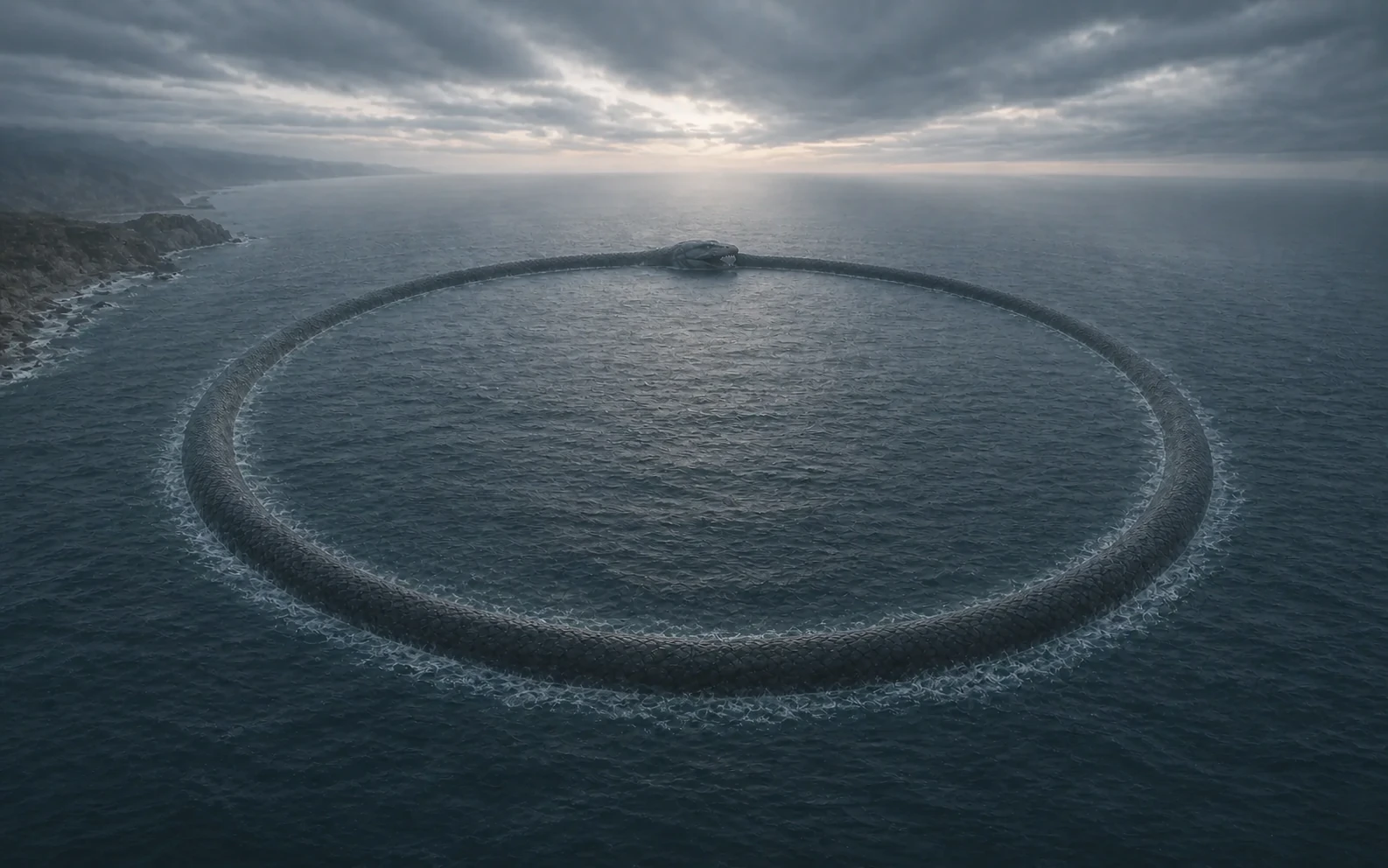
In the Hymiskviða, Thor goes fishing with the giant Hymir, using an ox's head as bait. He pulls Jörmungandr from the water and strikes him before the serpent disappears into the sea.
The Gylfaginning stages the encounter differently: Hymir cuts the line in fear as Thor raises his hammer. The accounts do not describe the outcome in exactly the same way, but both bring the opponents together before their final duel.
The Gylfaginning describes Thor, Loki and Þjálfi visiting Útgarða-Loki. Thor fails to empty a drinking horn, lift a cat or defeat an old woman. He later learns that the trials concealed the sea, Jörmungandr and old age.
The story does not dismiss his strength: it reveals that his actions have had cosmic effects. Yet it also shows how perception and deception can defeat even extraordinary power.
The Völuspá foretells that Thor kills the Midgard serpent, then steps back nine paces before falling, overcome by its venom. The Gylfaginning repeats this conclusion.
The fight fulfils the earlier encounters without offering lasting victory: Jörmungandr dies, but so does Thor. According to Snorri, Móði and Magni survive in the renewed world and inherit Mjöllnir.
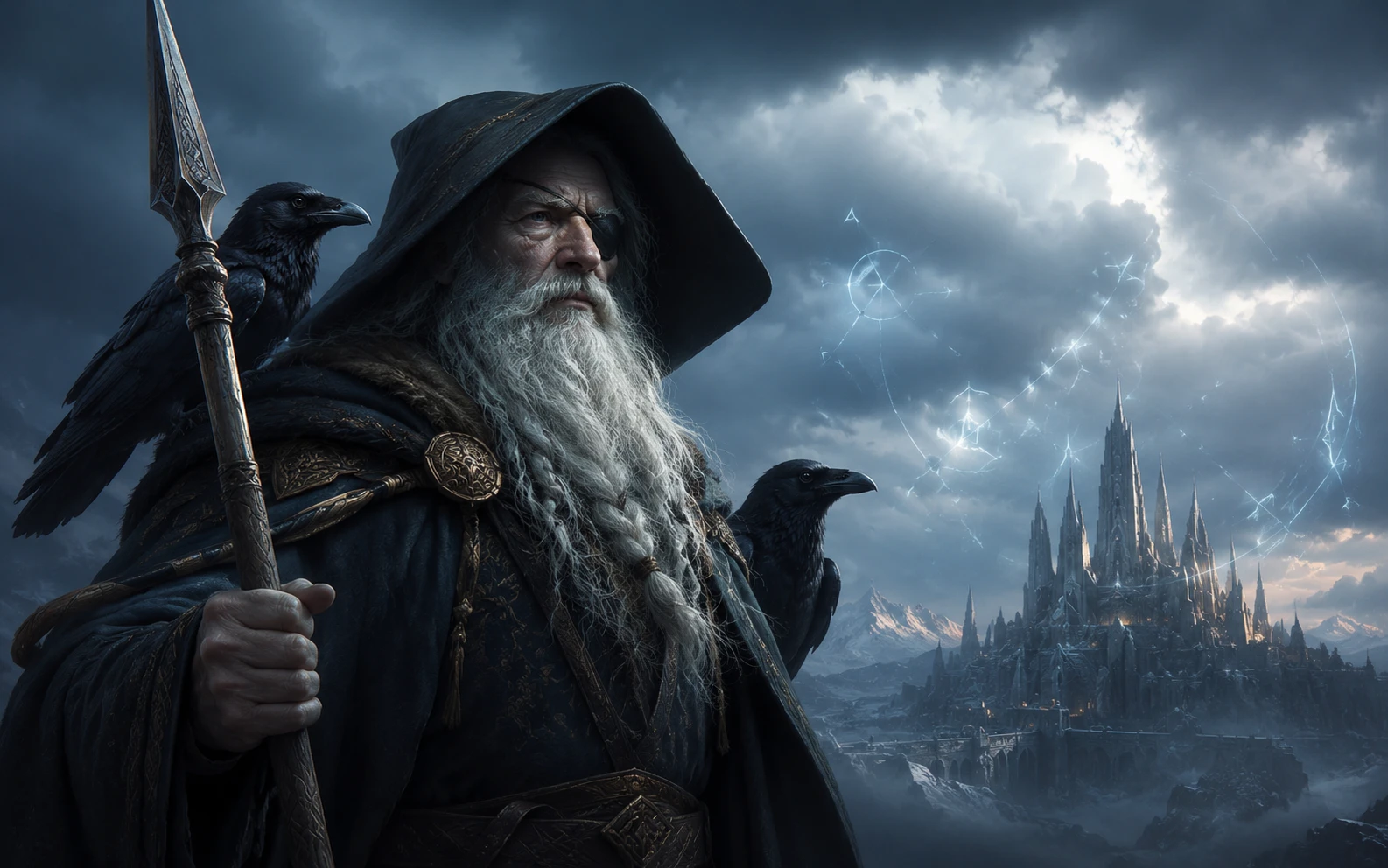
Jörð, Fjörgyn and Hlóðyn appear in the sources. This profile keeps Jörð as the main form without turning the different designations into separate mothers of Thor.
The Hymiskviða and Gylfaginning do not tell the interruption of the fight or Hymir's part in it in the same way.
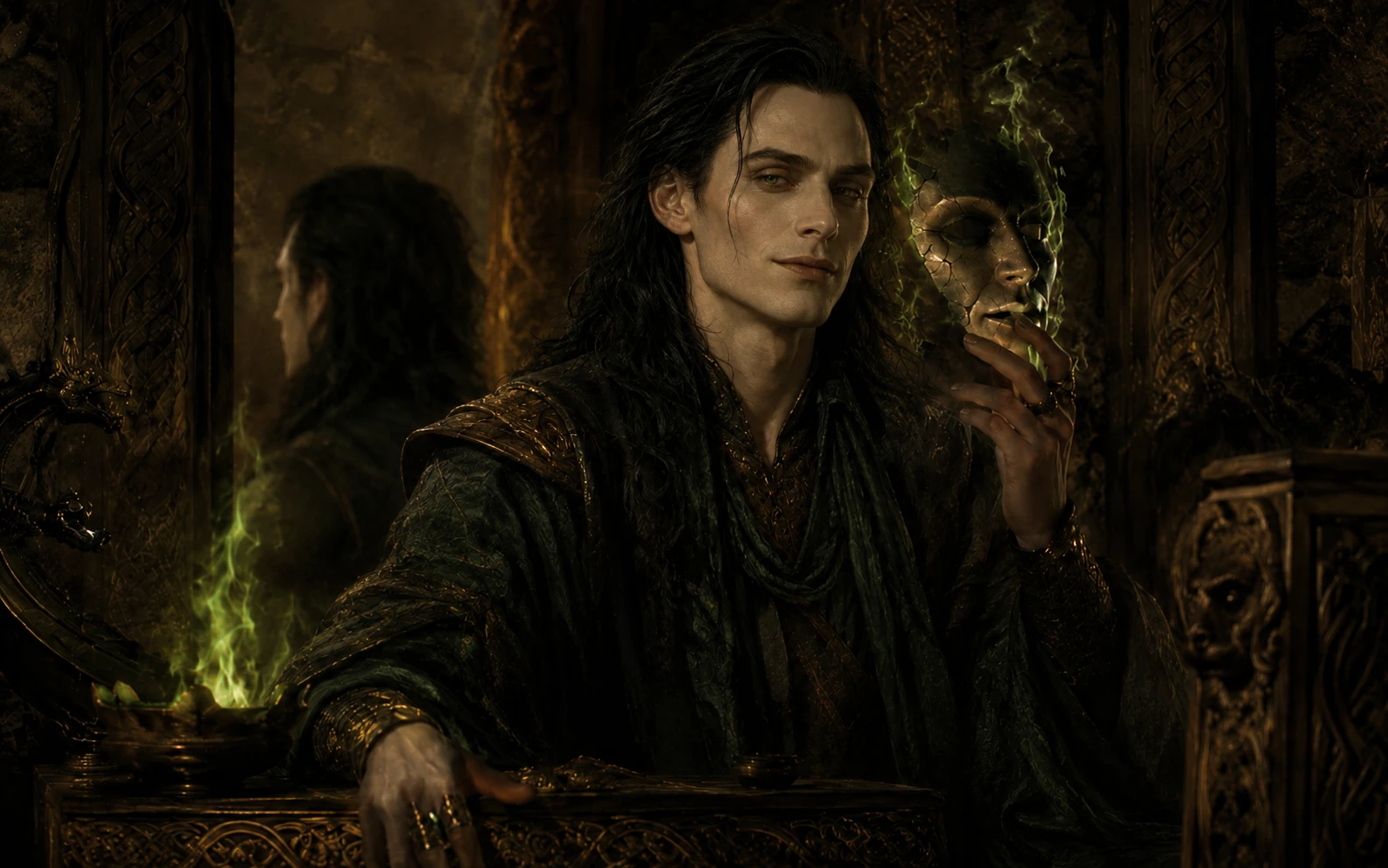
Thor dresses as a bride to recover his hammer from the giant Þrymr.
Using an ox's head as bait, Thor draws Jörmungandr up from the depths.
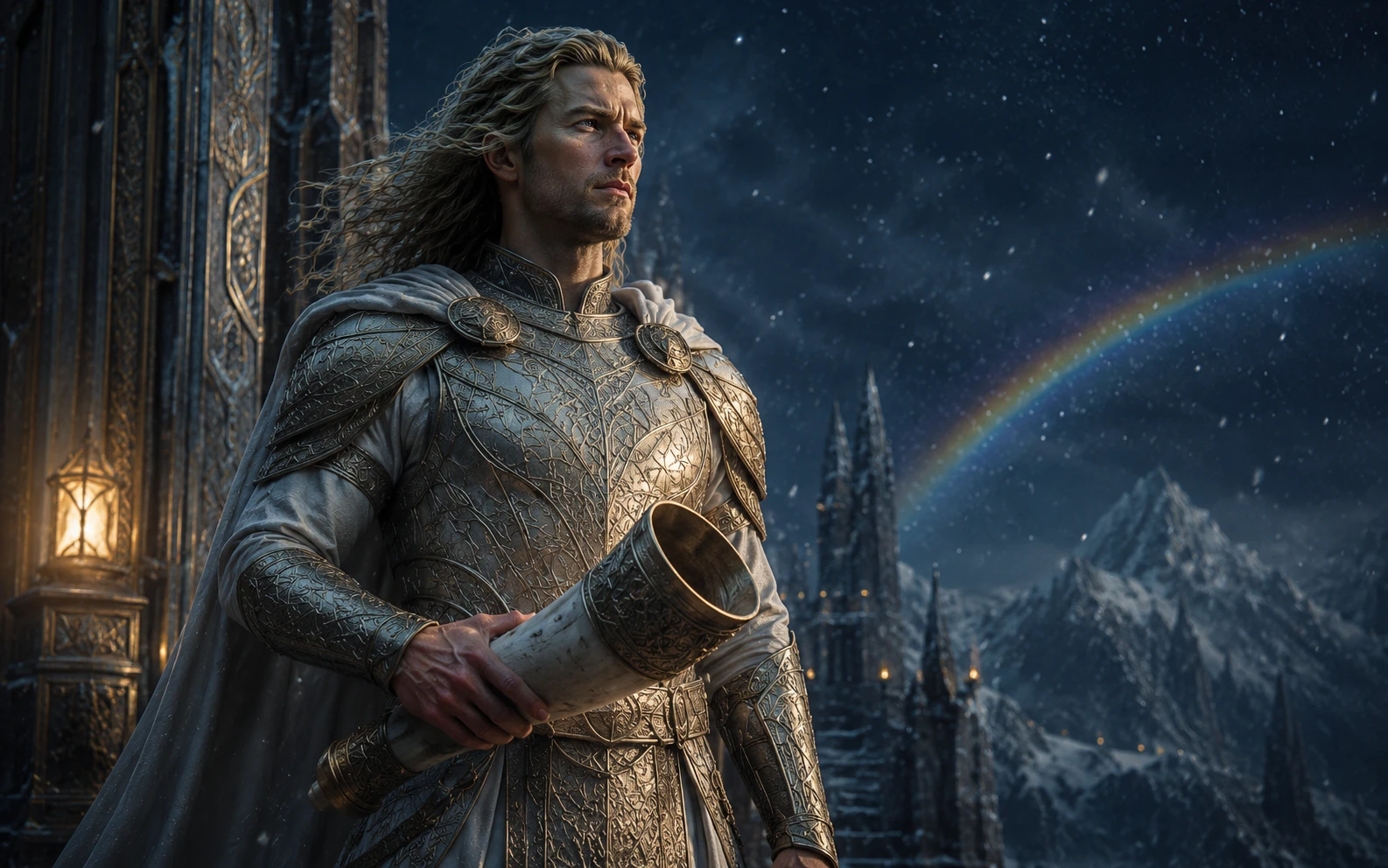
Deceptive trials pit Thor against the sea, the world serpent and old age.
Thor kills Jörmungandr at Ragnarök, then succumbs to its venom after nine steps.
Parents, equipment, Útgarða-Loki, the fishing expedition and Ragnarök. English translation: Arthur Gilchrist Brodeur, 1916. This reference supports those specific points.
The fishing expedition: compare the poem's ending with the cutting of the line in Snorri. English translation: Henry Adams Bellows, 1923, following that edition's numbering. This reference supports those specific points.
The theft and recovery of Mjöllnir. English translation: Henry Adams Bellows, 1923, following that edition's numbering. This reference supports those specific points.
Explore related figures, places and stories. Pages available only in French are labelled.
Explore the realm of the Æsir and its place in Norse narratives.
Explore the family links and passages included in the Norse tree.
Thor protects the worlds of gods and humans by confronting powers at their edges. Mjöllnir is a striking image of that role, but the texts never reduce the god entirely to his weapon.
Disguises, illusions and narrative variants reveal a figure richer than an invincible fighter. His last victory against Jörmungandr is also his death.