Old Norse name
Óðinn
Norse god
Odin, Óðinn in Old Norse, is a central figure in the surviving Norse traditions. The Eddic poems portray him as a traveller, a questioner and a master of poetry and dangerous knowledge. Snorri brings these traits together in his account of a ruler of the Æsir who prepares the warriors of Valhöll for Ragnarök.
His knowledge comes at a cost and does not give him unlimited power. The eye left with Mímir and the ordeal told in the Hávamál link knowledge with loss. The prophecy of his death is a reminder that foreseeing the end does not mean being able to prevent it.
The Grímnismál and Gylfaginning give Odin a long list of names suited to his journeys, disguises and different roles. This variety belongs to the texts themselves and makes it difficult to reduce the god to a single function.
One of the titles Snorri uses is Alföðr, often translated as “All-father”. It is a title of sovereignty within his account, not a claim that Odin is literally the father of every being.
The Völuspá recalls that Odin's eye is hidden in Mímir's spring. The Gylfaginning develops the episode: to drink from the well associated with wisdom, Odin leaves his eye as a pledge.
The sources establish an exchange between sight and knowledge, but do not tell a long, separate quest. The scene should remain connected to these brief passages rather than to detailed modern reconstructions.
In the Hávamál, the speaker tells of spending nine nights on a windswept tree, wounded by a spear and offered to himself, before taking up the runes. These stanzas do not name Yggdrasil, although tradition connects them with Odin and the world tree.
The passage describes knowledge gained through suffering. It does not present Odin as the physical inventor of all runic writing, nor does it provide enough evidence on its own to reconstruct a historical ritual.
The Hávamál also tells of obtaining Suttungr's drink, while the Skáldskaparmál gives a continuous account of the theft of the mead of poetry. Odin uses cunning, seduction and changes of shape to bring it back to the gods.
Other poems, such as the Vafþrúðnismál, place him in contests of knowledge. Poetry, riddles and information are ways of acting in the world, not simply ornaments of his authority.
The Grímnismál describes Valhöll, its doors, its roof of shields and the warriors who march out to fight. In the Gylfaginning, Odin gathers the einherjar to help him when Ragnarök arrives.
Valhöll is not the only destination of the dead, however. The same Grímnismál gives Freyja a share of the fallen warriors, and other texts describe further places for the dead.
The Völuspá and Gylfaginning place Odin opposite Fenrir in the final battle. The wolf swallows him, and Víðarr then avenges his father by killing Fenrir.
Odin therefore prepares for a battle whose outcome the sources already foretell. This tension between seeking knowledge, preparing and ultimately falling is present in the texts. It does not mean that all his choices serve a secret plan that ends in success.
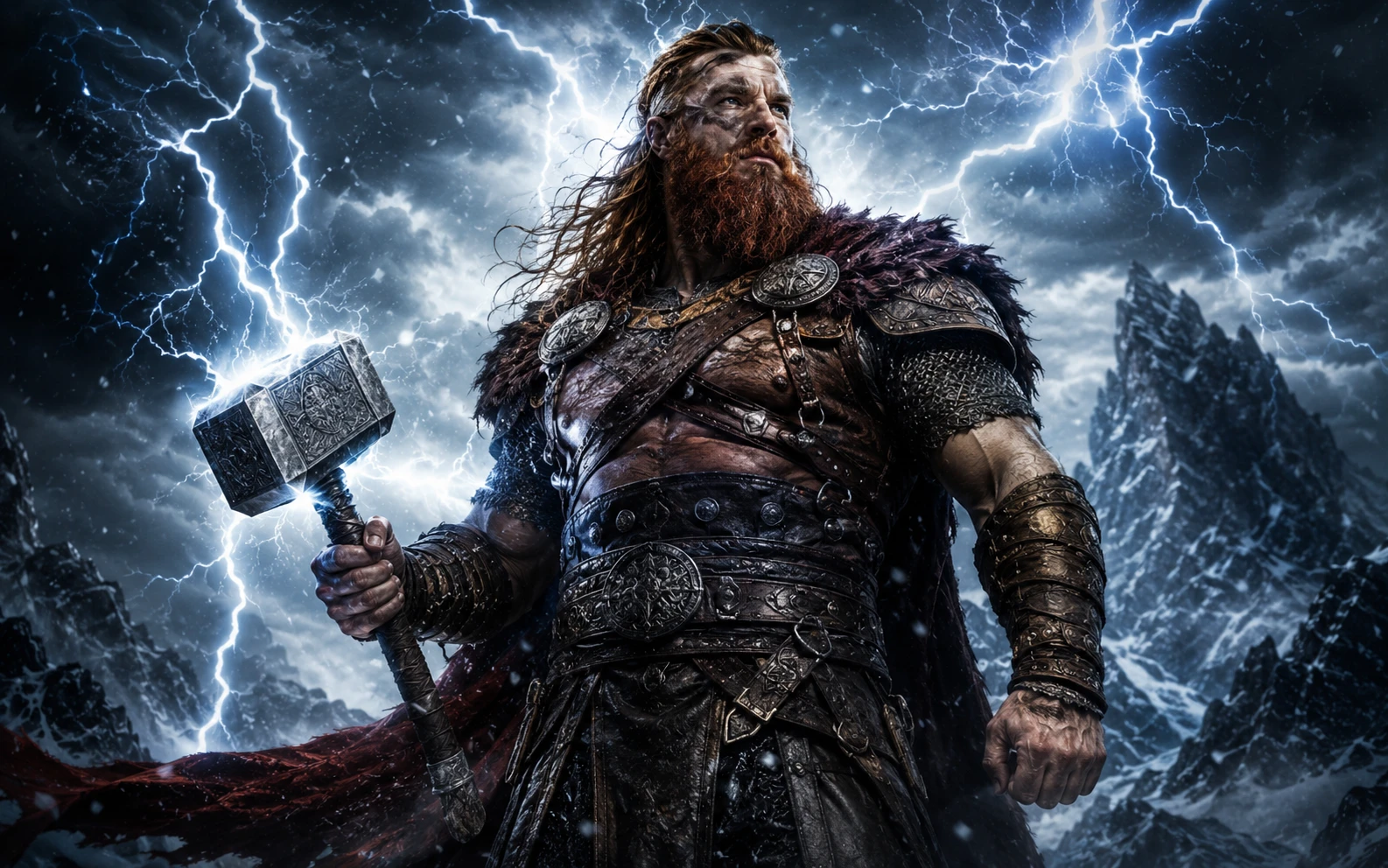
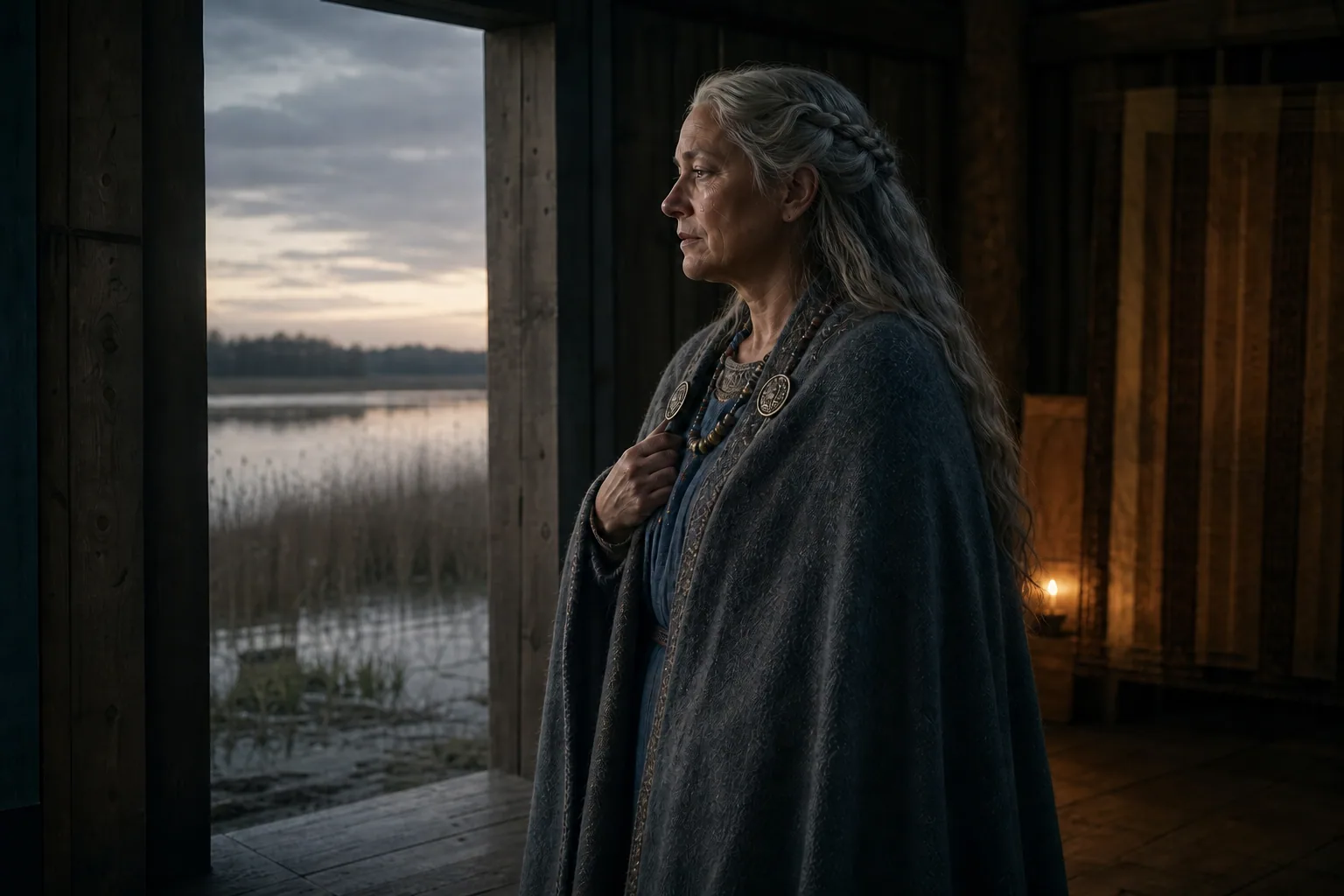
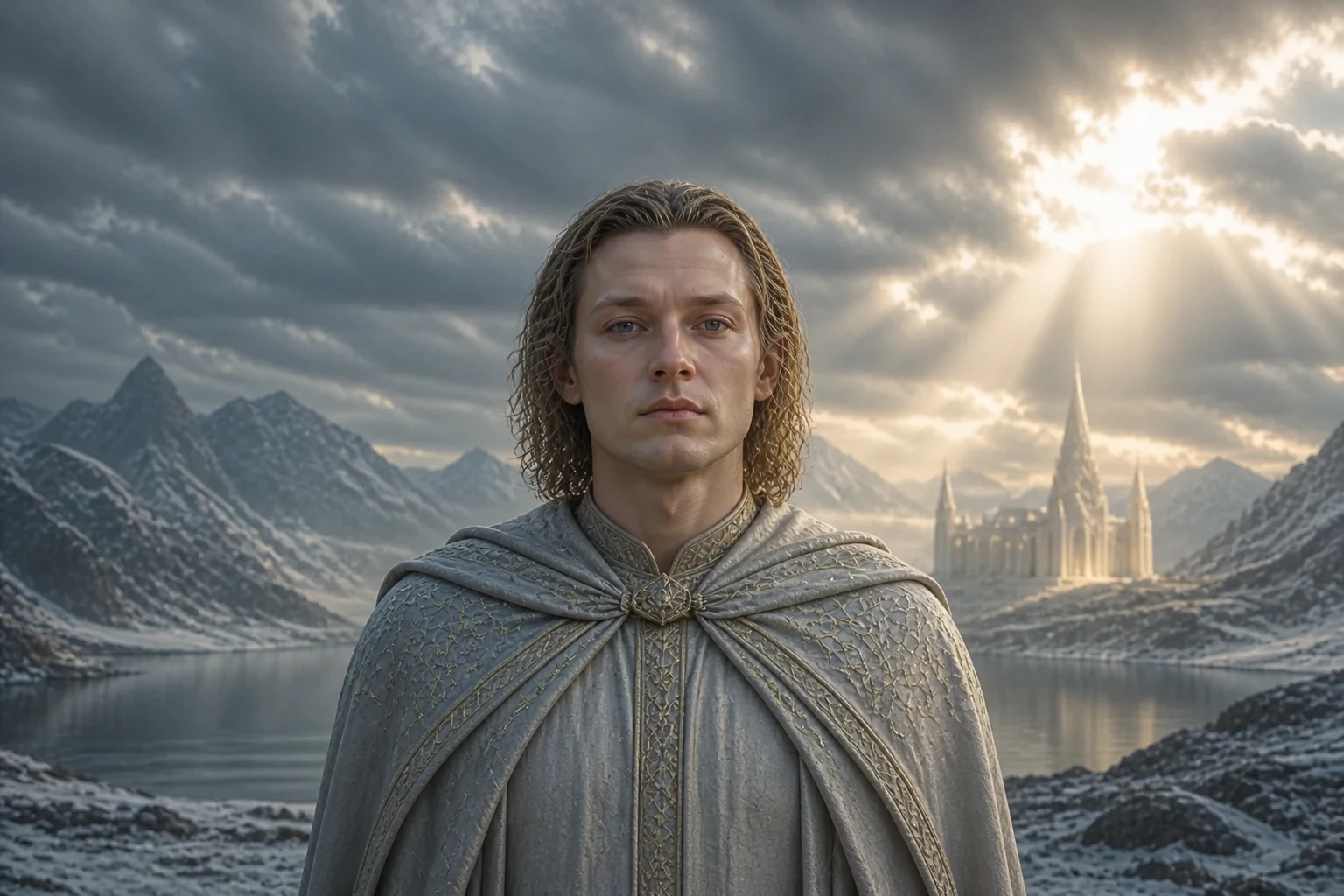
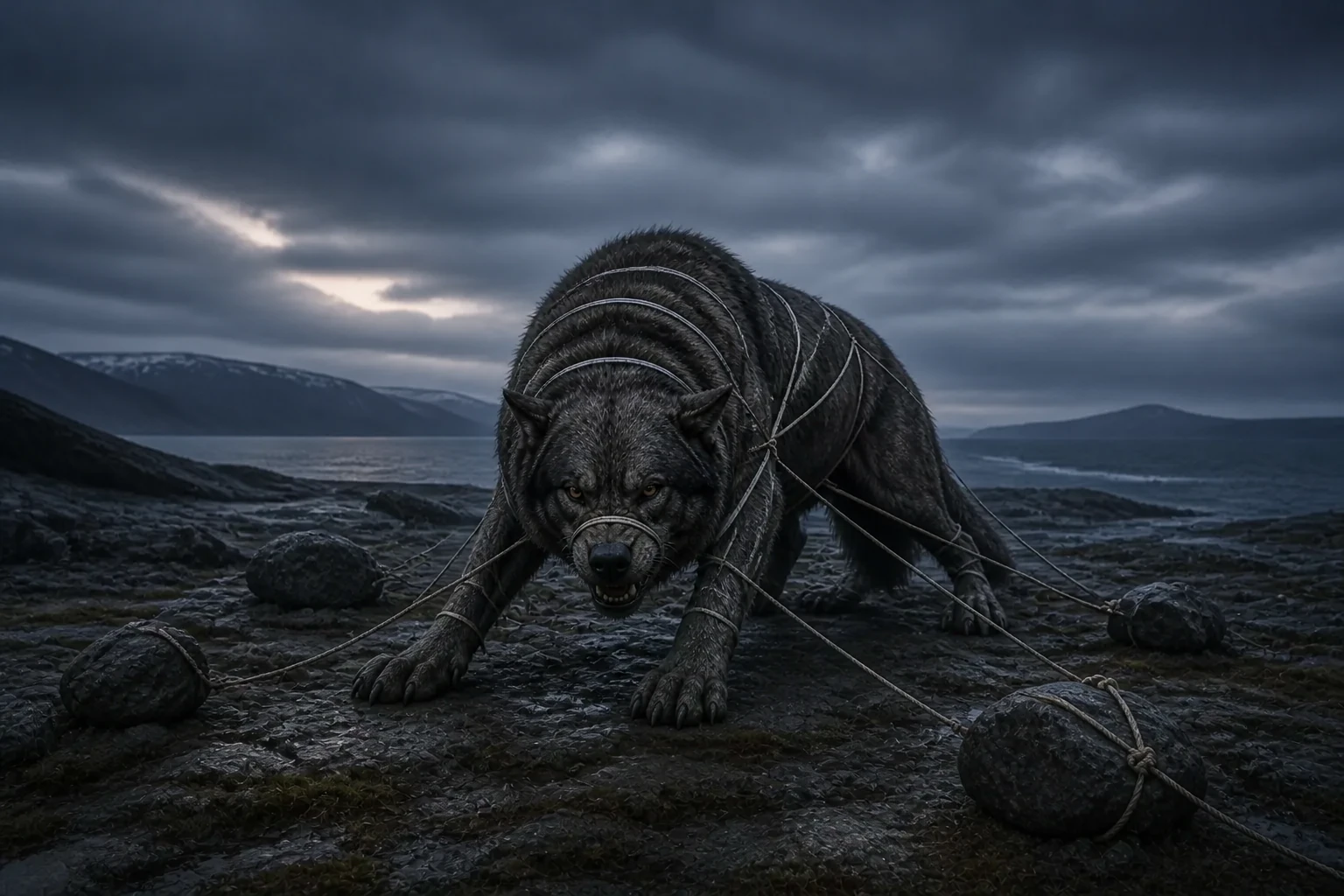
Alföðr is one of Odin's titles in Snorri's account; it does not describe a universal biological relationship.
The poems often preserve separate allusions, which the Prose Edda reorganises into a more continuous account of the myths.
Odin leaves his eye with Mímir to gain access to the well associated with wisdom.
The Hávamál links the acquisition of the runes with nine nights hanging from a tree, a spear wound and an offering of the self to the self.
Through cunning and changes of shape, Odin obtains the drink guarded by Suttungr in the account preserved by Snorri.
At Ragnarök, the wolf swallows Odin before Víðarr avenges him.
The mead and the ordeal of the runes; the tree on which the speaker hangs is not named in these stanzas. English translation: Henry Adams Bellows, 1923, following that edition's numbering. This reference supports those specific points.
Family, the eye pledged to Mímir, Valhöll and death at Fenrir's jaws. English translation: Arthur Gilchrist Brodeur, 1916. This reference supports those specific points.
Kvasir and the story of the mead of poetry. English translation: Arthur Gilchrist Brodeur, 1916. This reference supports those specific points.
Explore related figures, places and stories. Pages available only in French are labelled.
Explore the realm of the Æsir and the places associated with Odin.
Follow the links to Borr, Bestla, Frigg and Odin's children, with their sources.
Odin connects sovereignty with the relentless pursuit of knowledge. His sacrifices, journeys and disguises make knowledge an active power, though never a straightforward one.
His foretold death rules out the image of an all-knowing master who controls every event. Instead, the sources show a god preparing for an end he knows is coming but cannot avoid.