Old Norse name
Loki
A figure of Norse mythology
Loki is a shifting, contradictory figure in the Norse sources. He travels with the gods, causes crises and sometimes helps resolve them. Elsewhere, he insults the divine assembly, makes Baldr's death possible in Snorri's account and fights against the gods at Ragnarök.
No surviving medieval text simply defines him as a “god of fire”. That identification belongs to the history of modern interpretations. This profile therefore distinguishes episodes found in the sources from the many, often conflicting scholarly attempts to give him a single defining nature.
The Gylfaginning introduces Loki as the son of the giant Fárbauti and of Laufey, or Nál, then emphasises his pleasing appearance and changeable character. The poems tend to show him in action or in confrontational exchanges.
Loki moves among the Æsir without a settled role comparable to Thor's or Heimdall's. His position depends on his relationships, which helps explain why scholars have proposed very different interpretations without reaching a single consensus.
In the Skáldskaparmál, Loki cuts off Sif's hair. Threatened by Thor, he obtains new hair of gold from the dwarfs, then provokes the contest that produces Gungnir, Draupnir and Mjöllnir, among other treasures.
The same work tells of his part in Iðunn's abduction and return. Loki is first forced to help Þjazi, then compelled by the gods to repair the loss of the apples. Harm and help follow one another without adding up to a simple moral role.
In the story of the building of the gods' enclosure, Loki takes the form of a mare to lure away the stallion Svaðilfari and prevent the builder from completing his work on time.
He later gives birth to Sleipnir, Odin's eight-legged horse. This episode in Snorri's account crosses boundaries of form and sex, but does not by itself establish an abstract, modern sphere of influence for Loki.
The Lokasenna shows Loki returning to Ægir's feast after killing a servant. He reminds Odin that they once mingled their blood, then attacks the gods and goddesses in turn with accusations whose value as evidence requires caution.
The poem is a contest of insults, not a neutral catalogue of beliefs. It nevertheless presents Loki as a master of speech that exposes tensions and ultimately separates him from the assembly.
The Völuspá names Höðr as the one who strikes Baldr and foretells Váli's revenge. In the Lokasenna, Loki claims responsibility for Baldr's absence, but does not explain how the killing happened.
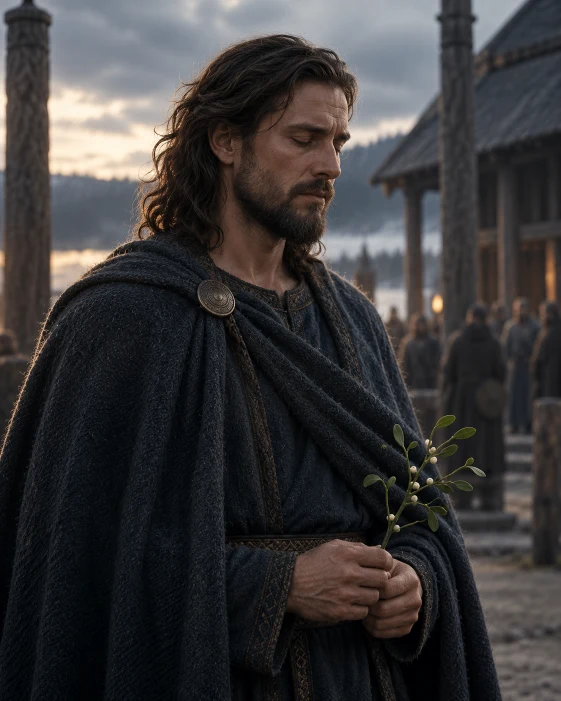
The Gylfaginning gives the fullest account: Loki discovers the exception made for mistletoe, hands the missile to Höðr and guides his action. These details of the deception should therefore be attributed to Snorri rather than presented as a story told identically in every source.
After fleeing, Loki invents a net and transforms into a salmon. The gods use the design of the net to catch him and then bind him. A serpent drips venom above him, while Sigyn catches as much as she can in a bowl.
When she empties it, the venom reaches Loki, whose convulsions cause earthquakes in Snorri's account. At Ragnarök, Loki breaks free and faces Heimdall; the two opponents kill one another.
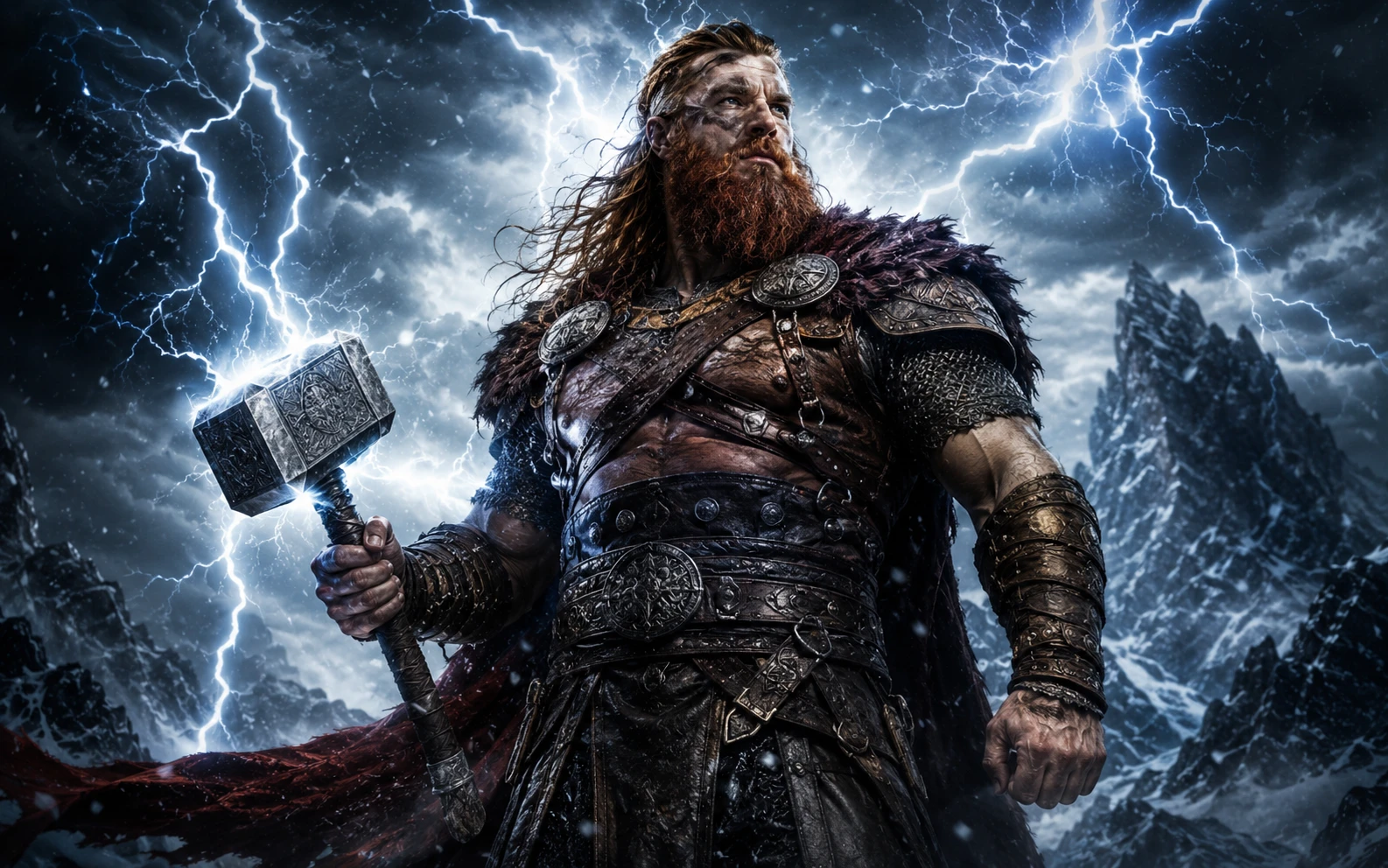
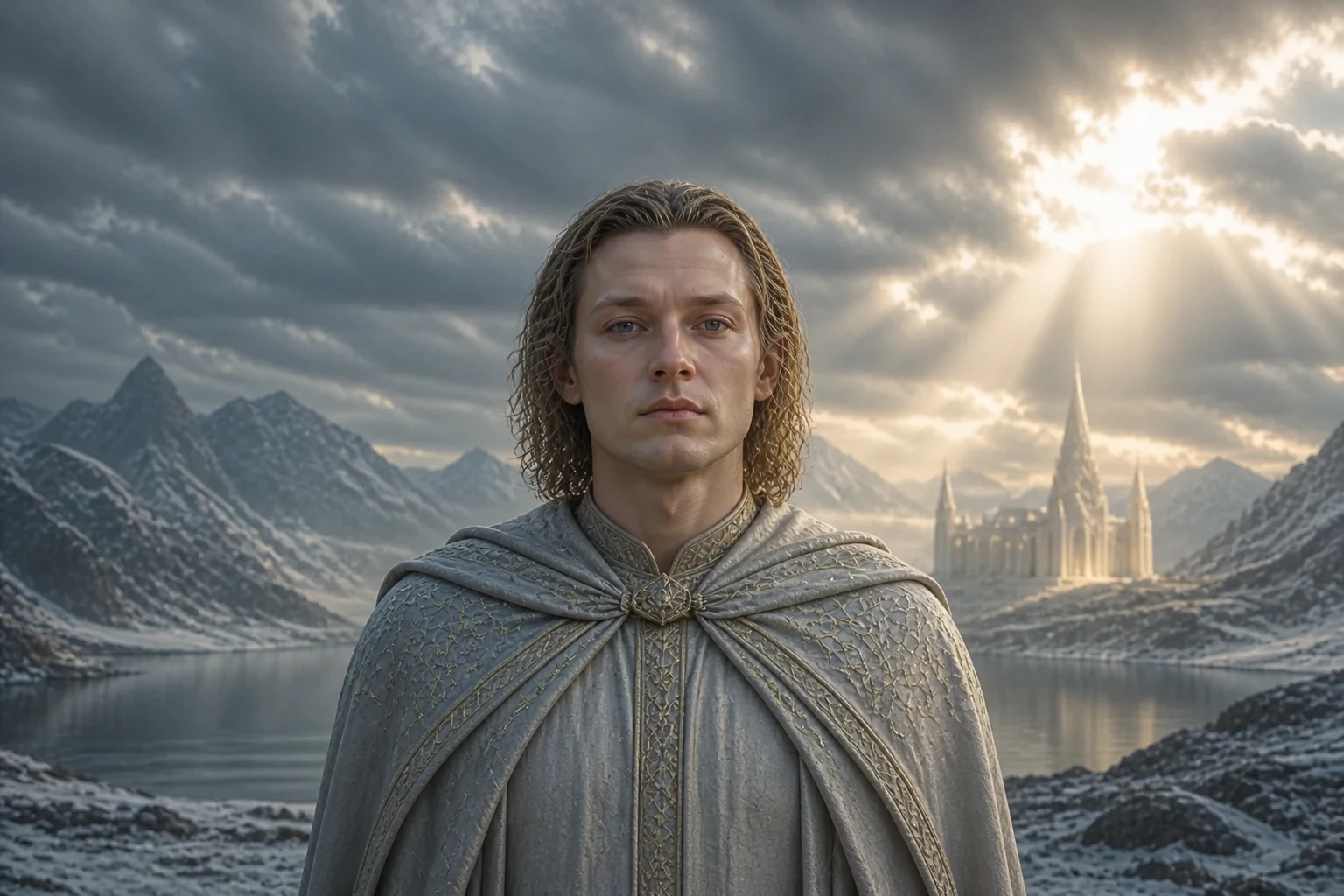
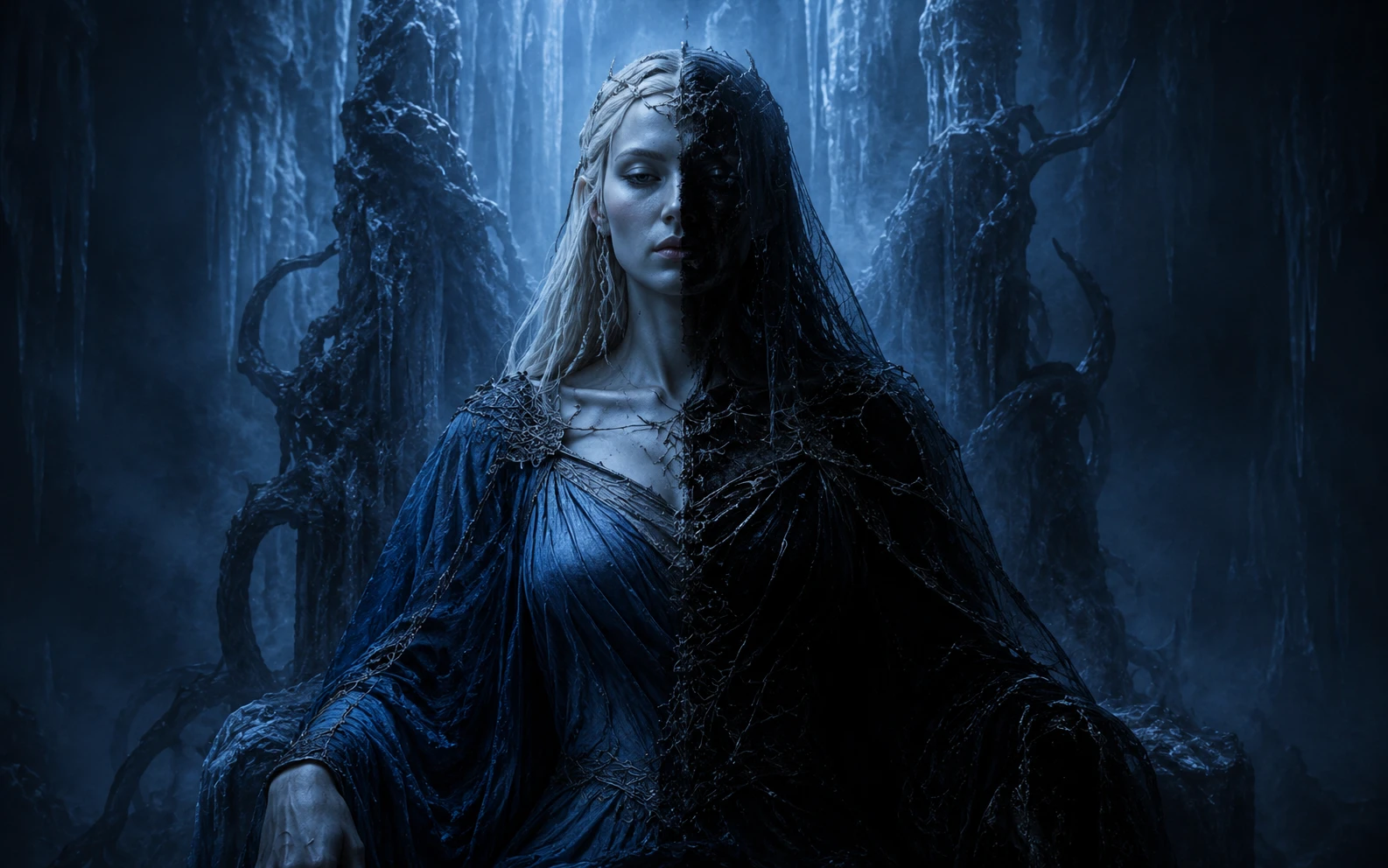
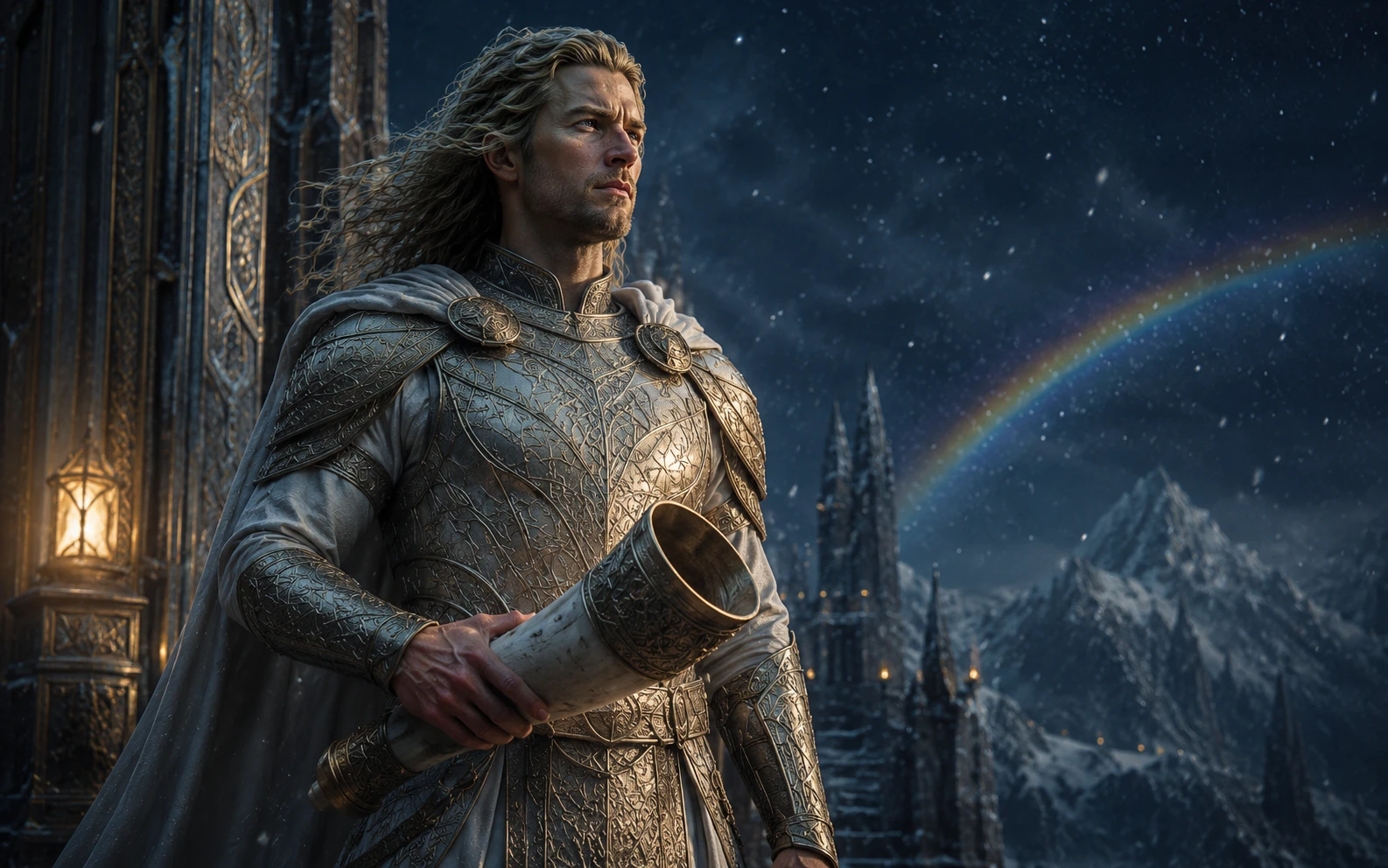
Identifying Loki as a fire god is one of many modern reconstructions; the Eddas do not directly give him that identity.
Scholars debate how the Prose Edda emphasises or reorganises Loki's antagonistic role using older material.
After cutting off Sif's hair, Loki sets in motion the making of several great divine treasures.
Having caused her abduction, Loki must recover the goddess from Þjazi while in the form of a falcon.
Snorri develops the mistletoe deception; the poems preserve briefer, distinct elements.
Loki is bound beneath a serpent, then breaks free at Ragnarök and dies fighting Heimdall.
Parents and children, the birth of Sleipnir, Baldr's death, the binding and Ragnarök. English translation: Arthur Gilchrist Brodeur, 1916. This reference supports those specific points.
Blood mingled with Odin, responsibility for Baldr's death and the poem's account of the punishment. English translation: Henry Adams Bellows, 1923, following that edition's numbering. This reference supports those specific points.
The study “Loki the Slandered God” examines the range of interpretations of Loki and Snorri's selection of poetic material.
Explore related figures, places and stories. Pages available only in French are labelled.
Discover the divine realm at the centre of many of Loki's encounters.
Explore the different relationships attributed to Loki in the Norse sources.
The sources connect Loki's stories through movement, speech, transformation and broken relationships. They define him neither as a mere prankster nor as a Norse equivalent of the devil.
Keeping Eddic poetry, skaldic poetry and Snorri's synthesis distinct allows us to describe his complexity without turning a scholarly interpretation into a settled identity.