Name and variants
Hermóðr; Hermodr or Hermod without Norse characters. Called “the Bold” in Snorri’s account.
Norse figure
After Baldr’s death, Hermóðr agrees to take a road that the others do not offer to follow: the road to the realm of the dead. Riding Sleipnir, he sets out to ask Hel to let Baldr return to the gods.
The journey is told in Snorri’s Gylfaginning, which presents him as Hermóðr the Bold, son of Odin. His mission offers another side to Baldr’s story: after the fatal blow and the funeral, one last attempt to make good the loss.
Baldr has just died. Frigg asks who wishes to earn her love and favour by riding to Hel to seek Baldr and offer a ransom. Hermóðr volunteers and receives Sleipnir for the journey.
Snorri calls him Odin’s son but does not specify his mother here. The fact that he answers Frigg’s appeal therefore does not automatically establish her as his mother.
Hermóðr rides for nine nights through deep, dark valleys. He sees nothing until he reaches the river Gjöll, crossed by the bridge Gjallarbrú, which Snorri describes as covered with shining gold.
Móðguðr, the bridge’s guardian, asks his name and family. She notices that the bridge resounds differently beneath him than beneath the groups of dead people who have crossed it, and that he does not have their colour. Hermóðr explains that he is looking for Baldr.
Móðguðr tells him that Baldr has passed that way and points him along the road, downwards and northwards. At Hel’s enclosure, Hermóðr tightens Sleipnir’s girths, remounts and has the horse leap over the barrier.
He enters the hall and finds Baldr seated in the place of honour. He stays with him that night. The narrative describes a visit and a request, not a battle won against the ruler of the dead.
In the morning, Hermóðr begs Hel to let Baldr leave. He describes the grief of the Æsir. Hel decides to test the claim that Baldr is loved by everyone: all things in the world, living and dead, must weep for him.
If even one refuses, Baldr will stay with her. Hermóðr therefore obtains the possibility of a return subject to a condition, rather than the immediate release of the one he came to find.
Baldr entrusts Hermóðr with the ring Draupnir to return to Odin. Nanna also gives him presents for Frigg and Fulla. These objects accompany his return and maintain a connection between the living and those who remain with Hel.
Hermóðr reports what he has seen and heard. Messengers then travel across the world to ask everyone to weep. Þökk refuses; Snorri reports that this giantess is thought to be Loki. The condition is not met, and Baldr does not return at that time.
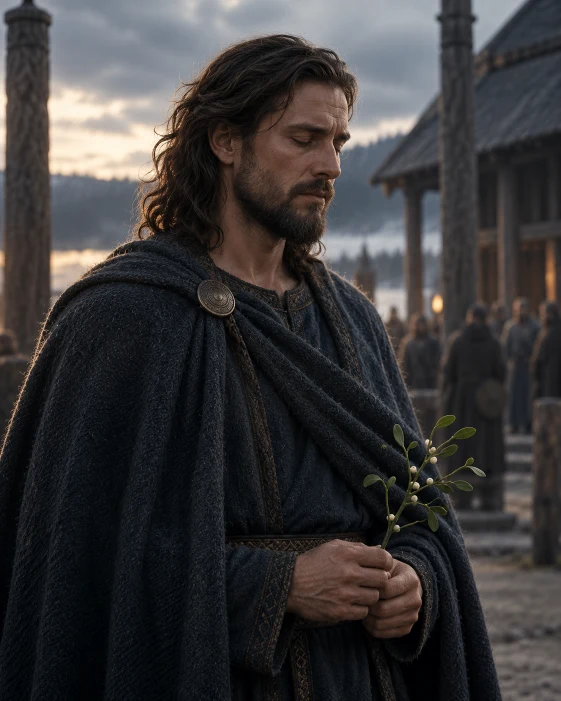
This journey justifies describing him as an envoy on Baldr’s behalf. It does not establish Hermóðr as a universal messenger for all the gods.
This profile follows Gylfaginning XLIX. It does not present every detail of this thirteenth-century prose account as identical across all Norse traditions.
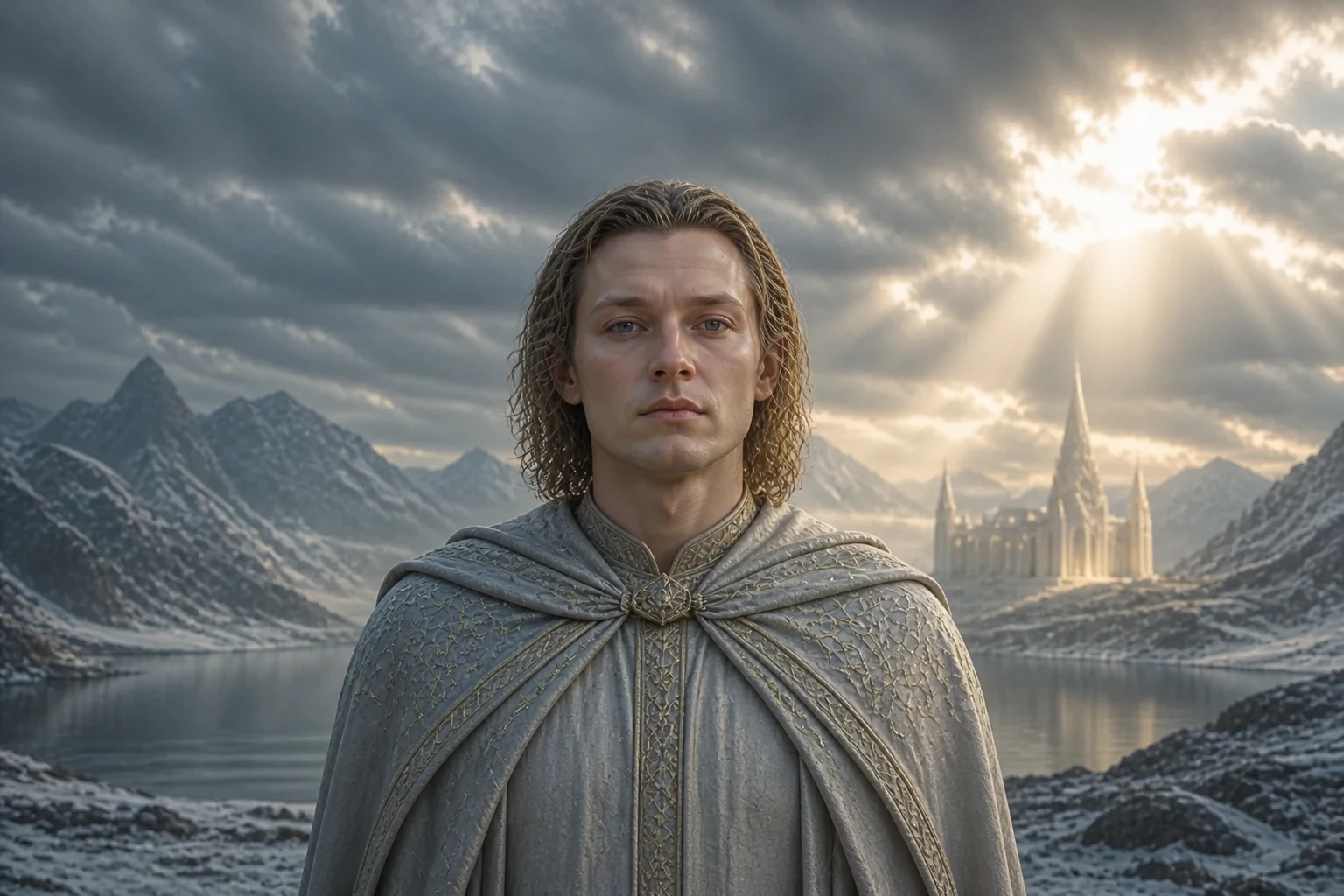
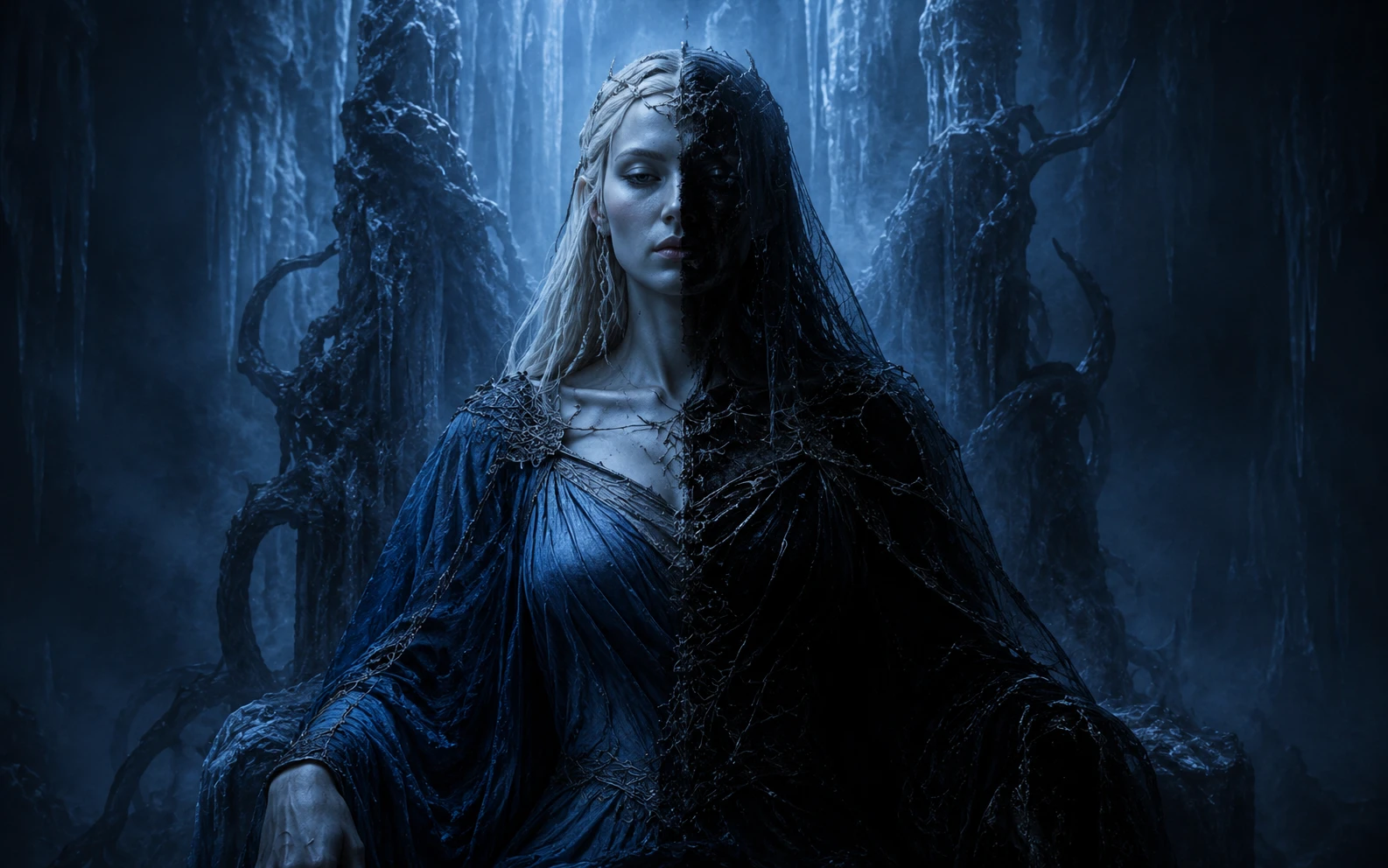
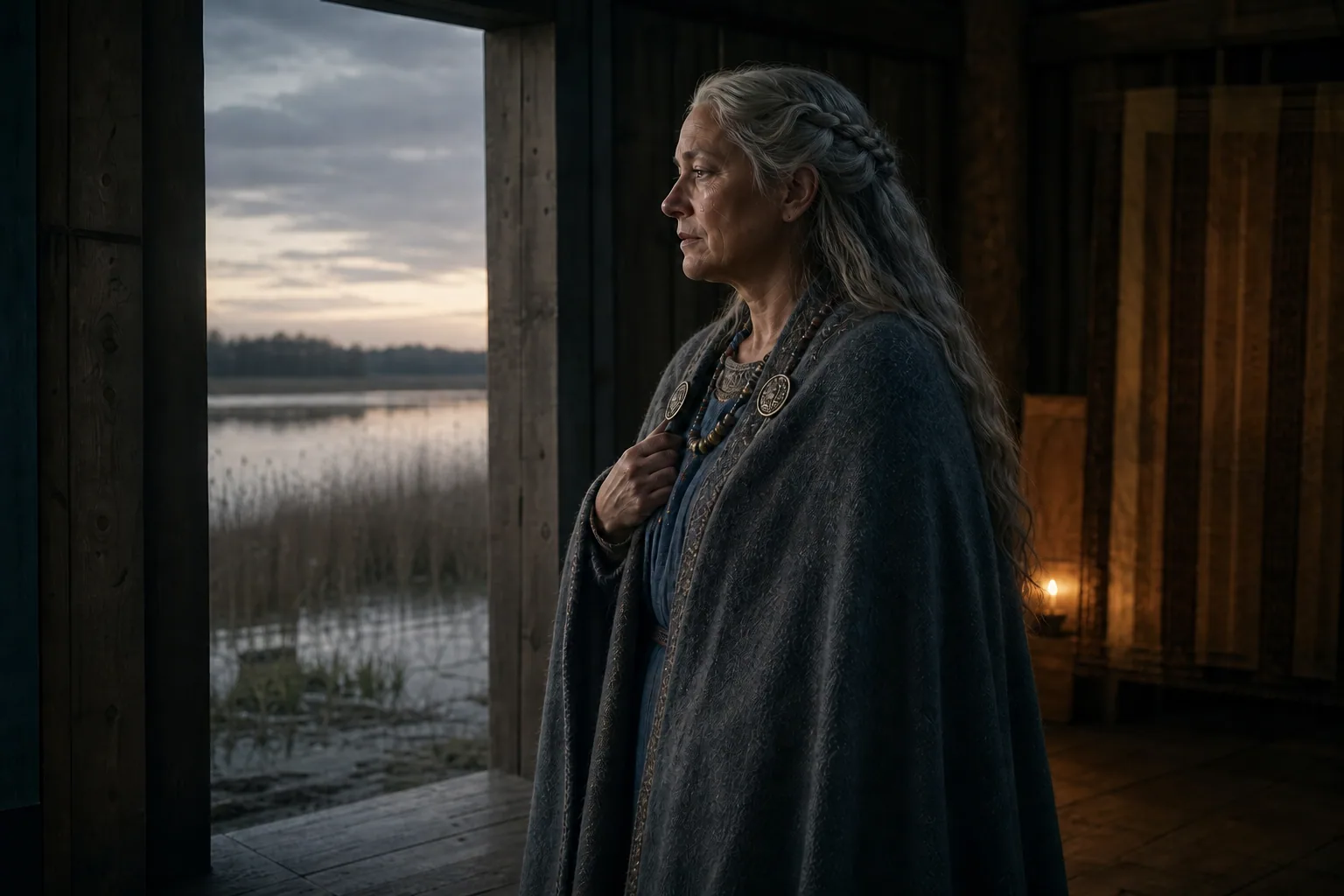
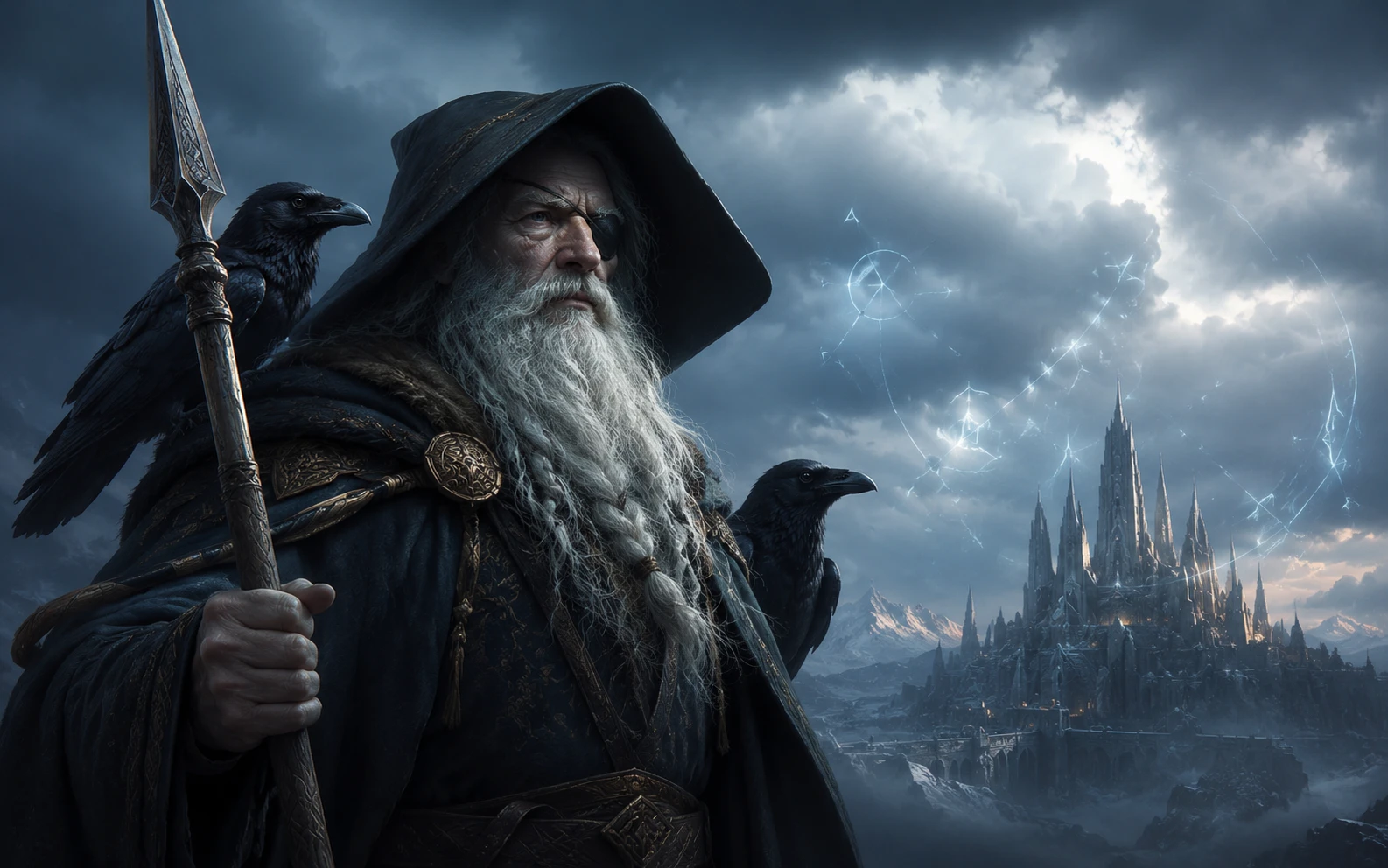
The traveller, his clothes and his face are artistic choices. The gold-covered bridge evokes Snorri’s passage; the image does not reconstruct an attested ancient depiction.
Hermóðr answers Frigg’s call and borrows Odin’s horse.
The guardian of Gjallarbrú recognises a visitor who does not resemble the dead and shows him the way.
He conveys Hel’s condition and brings back gifts from Baldr and Nanna.
Odin’s son, Frigg’s appeal, nine nights on Sleipnir, Móðguðr and Gjallarbrú, the stay with Baldr, Hel’s condition, gifts and Þökk’s refusal. English translation by Arthur Gilchrist Brodeur, 1916; numbering from this edition.
Explore related figures, places and stories. Pages available only in French are labelled.
Follow the road, the bridge and the boundary crossed during Hermóðr’s mission.
Explore his place as Odin’s son in Snorri’s account, without assuming an unnamed mother.
Hermóðr crosses the world’s boundaries to carry a request. He returns without Baldr, but with a condition, news and gifts. His journey makes Baldr’s death a story of searching and mourning as much as one of deception and revenge.