Old Norse name
Hel, the name of both the figure and the realm of the dead
Norse figure
Hel names both a female figure and a realm of the dead in Norse sources. Gylfaginning makes the ruler a daughter of Loki and Angrboða, sent to Niflheim and charged with receiving those assigned to her, particularly people who die of sickness or old age.
Snorri’s account does not mean that all those who die outside battle follow a single rule. The texts also know Fólkvangr, Valhöll, Rán’s realm and other destinations. They use Hel, Niflhel and Niflheim in contexts that do not form a perfectly consistent geography.
In Old Norse poetry, Hel can mean death, the grave or the dwelling of the dead. Snorri develops the female personification most fully, although poetic traditions already point towards this reading.
Using the same word for the ruler and her realm is therefore faithful to the sources. ‘Helheim’ is common in modern usage, but should not replace the attested medieval forms without explanation.
Gylfaginning tells how Odin has the three children of Loki and Angrboða seized. The gods keep Fenrir, cast Jörmungandr into the ocean and send Hel to Niflheim with authority over those assigned to her.
Snorri specifies that she must provide lodging and food for those who die of sickness or old age. This is a rule within his synthesis, not a key for assigning every dead person in every Norse tradition to a destination with certainty.
Snorri describes Hel as half black or livid and half flesh-coloured, with a stern expression. He names her hall Éljúðnir and associates it with an enclosure and great gates.
He then gives a series of symbolic names for her table, knife, bed and servants. This profile stays with the household objects actually listed in Gylfaginning.
Grímnismál divides fallen warriors between Odin and Freyja. Other texts associate the drowned with Rán, describe the dead remaining in their burial mounds or mention further halls.
Hel remains a major realm, but the Norse afterlife is not a single, neatly regulated system. Sources composed at different times preserve ideas that overlap without always agreeing.
After Baldr’s death, Hermóðr rides to Hel in Gylfaginning. He finds Baldr seated in the place of honour in the hall and asks its ruler to let him return.
Hel agrees on condition that all things, living and dead, weep for Baldr. Þökk’s refusal causes the attempt to fail. Hel acts here as an authority setting a condition, rather than as a figure of evil for its own sake.
Völuspá has Garmr bark before Gnipahellir as the bonds break. Gylfaginning also places the people of Hel among the forces led by Loki at Ragnarök.
These passages connect the realm of the dead with cosmic collapse, but give Hel herself neither a duel nor a death in the battle. Her personal fate after Ragnarök is not told.
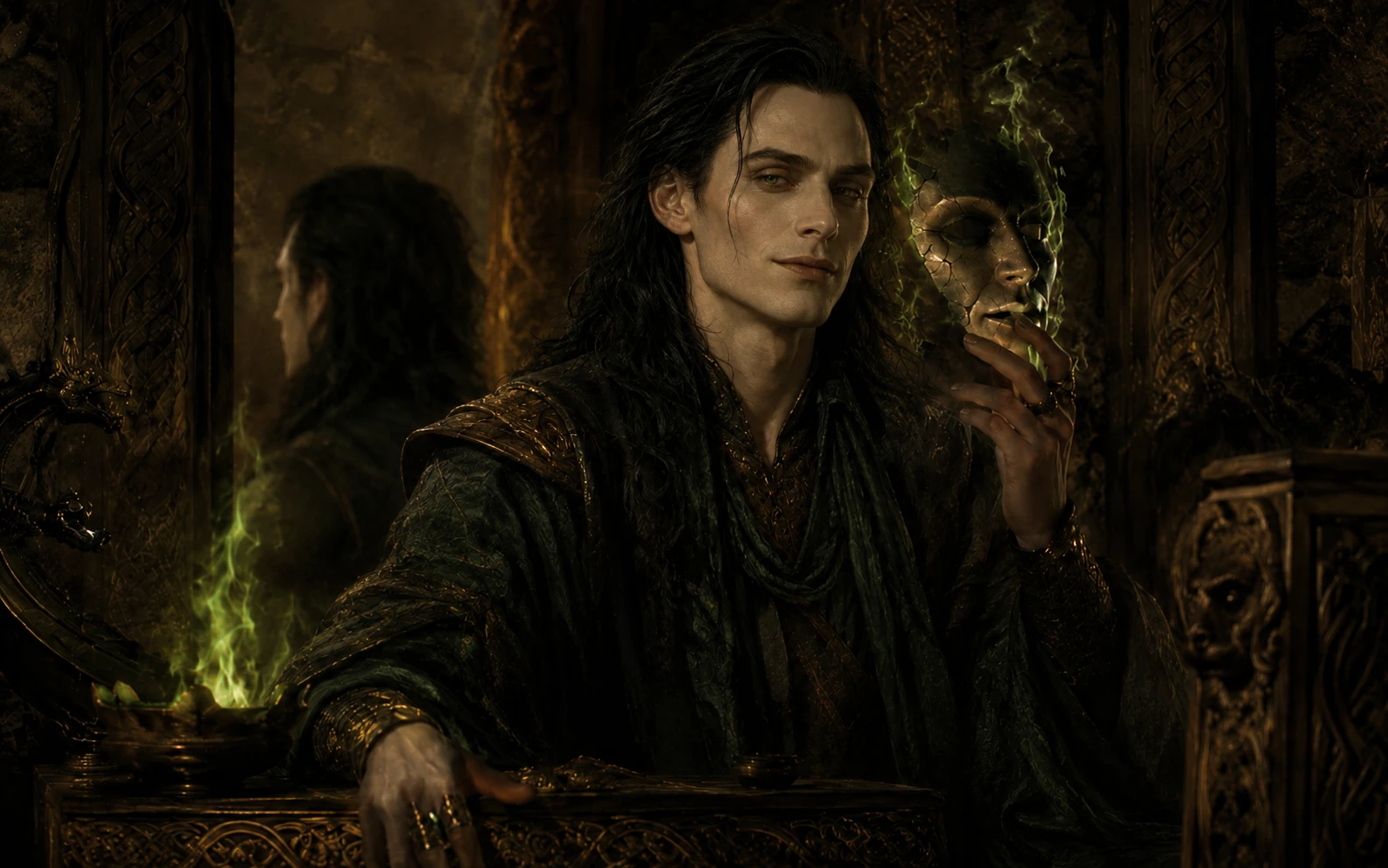
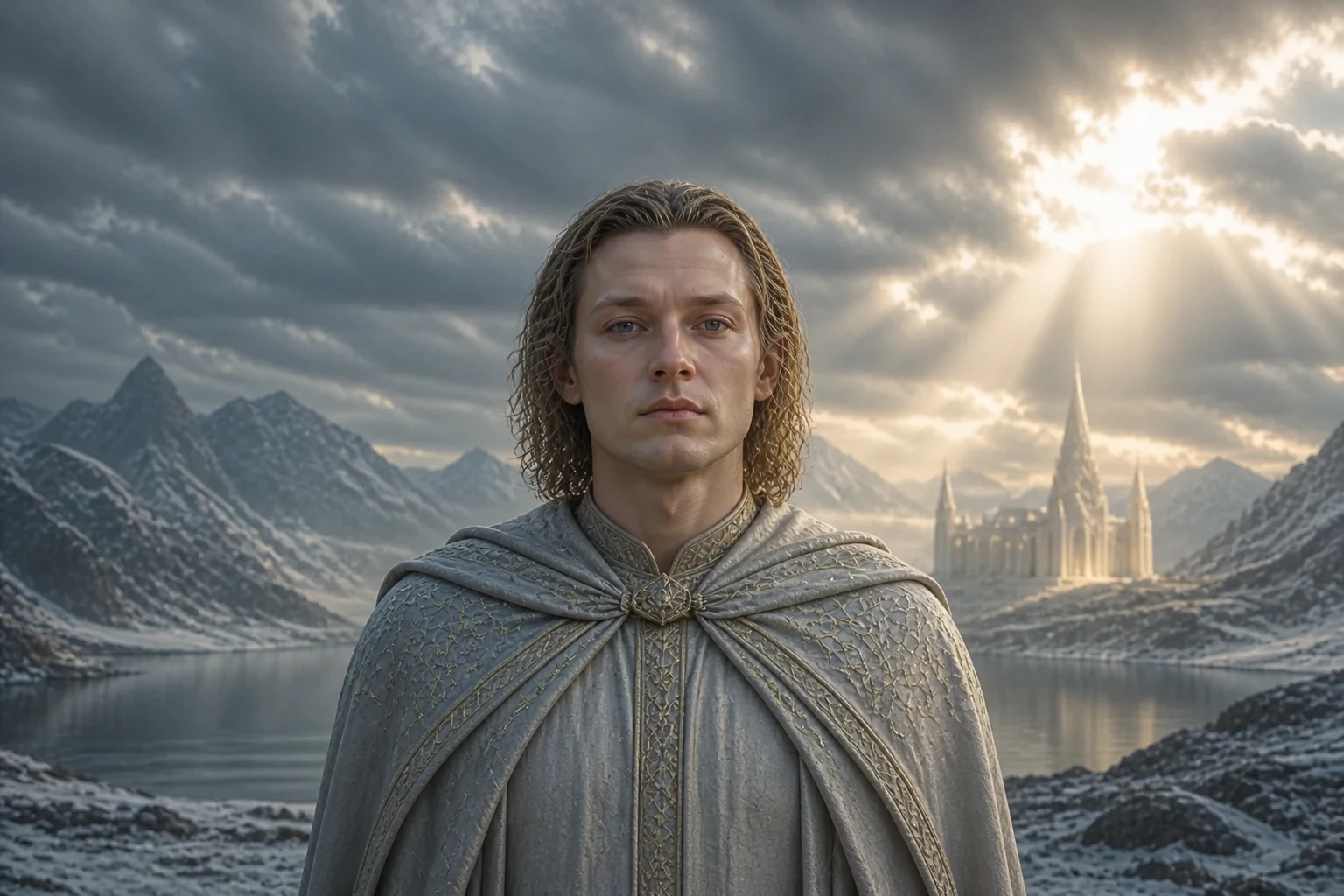
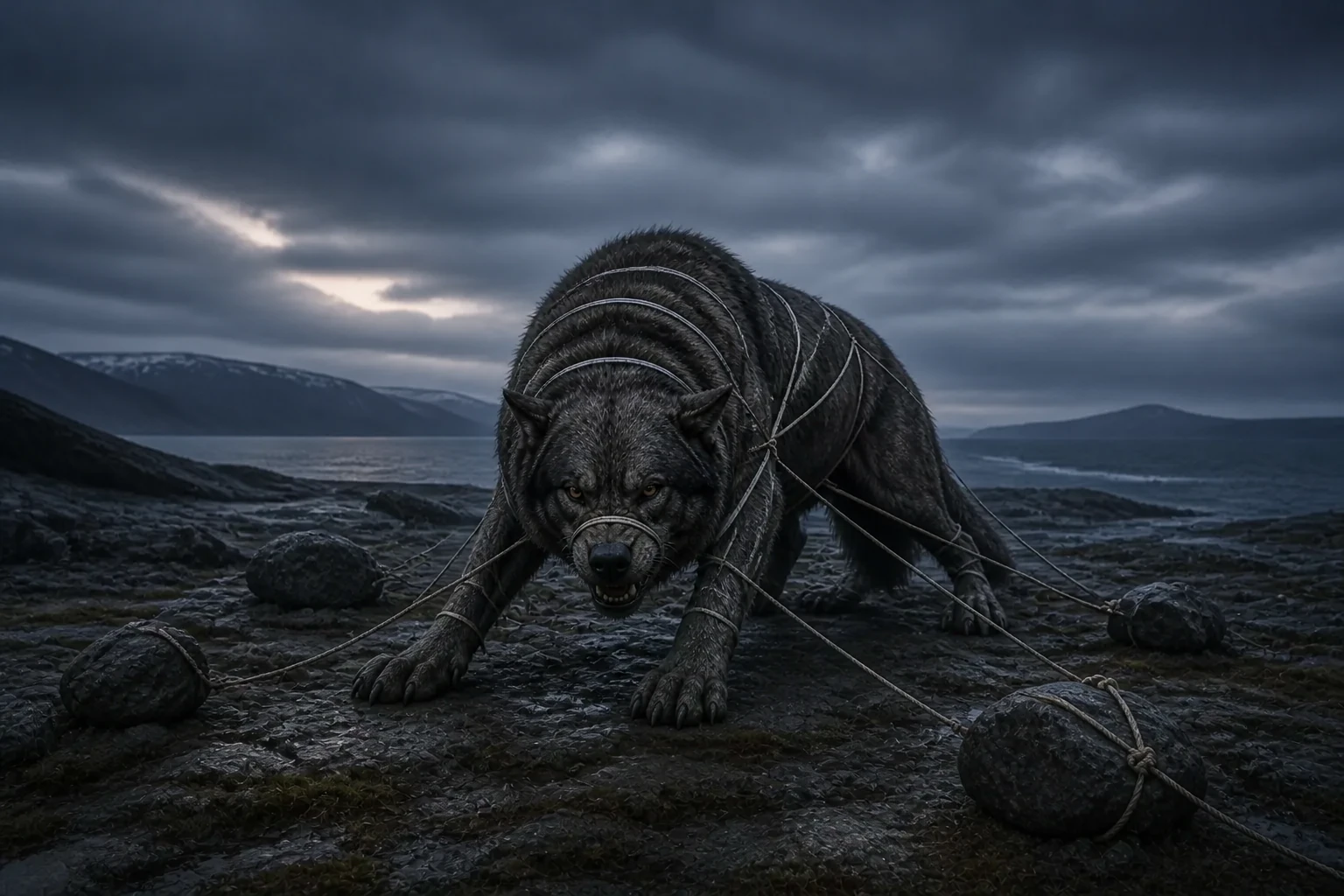
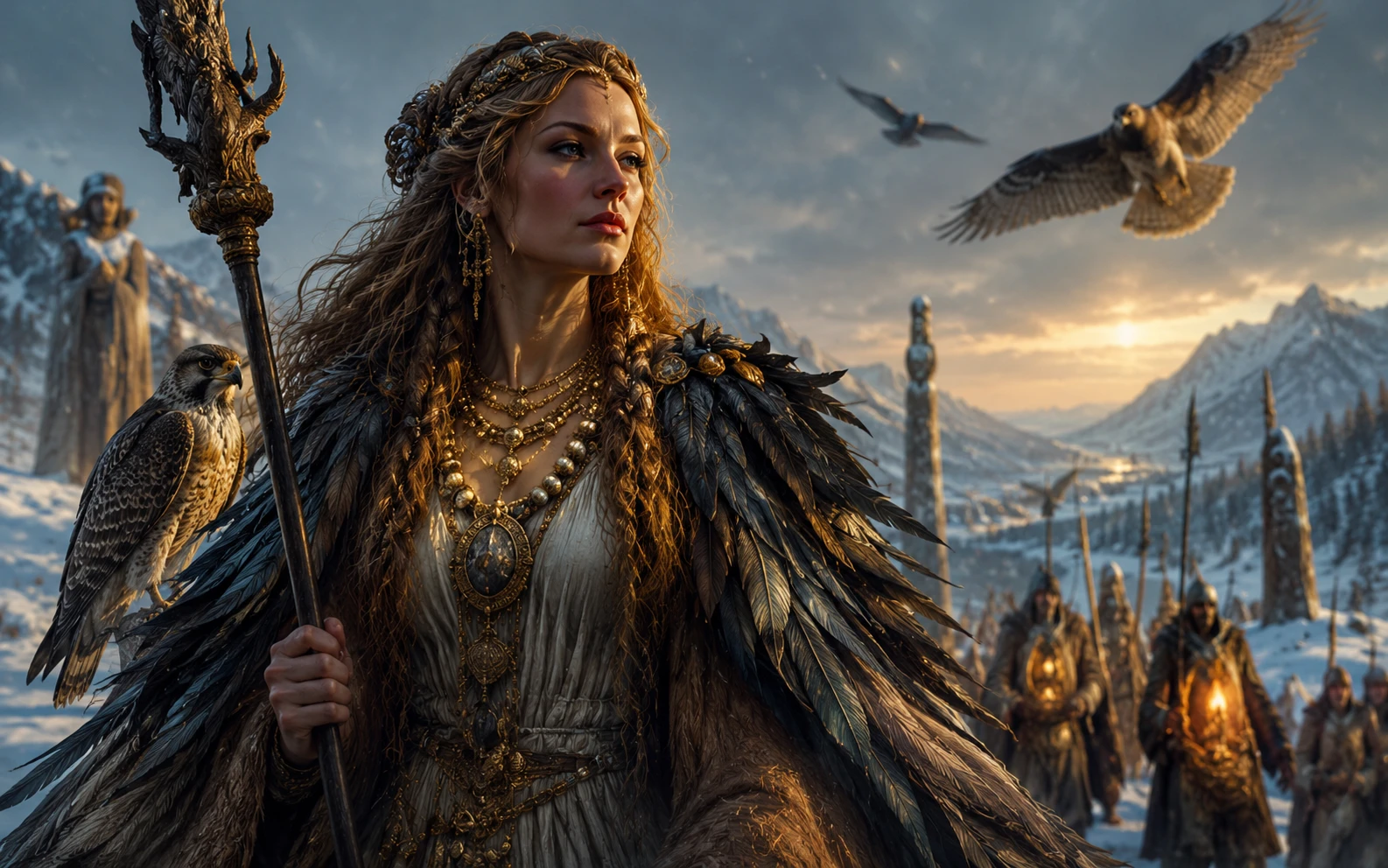
These terms do not always refer to clearly separate places. Their relationship varies between poems, Snorri’s account and even manuscripts of his Edda.
Snorri mentions sickness and old age, but the sources as a whole describe several destinations and offer no universal rule for every dead person.
Snorri describes Hel’s home and entrusts her with receiving certain dead people.
Baldrs draumar and Gylfaginning describe journeys towards the realm of the dead.
Hel makes his return depend on all things weeping for him, a condition that is not fulfilled.
In Snorri’s account, Loki arrives at Ragnarök with the people of Hel.
Hel, daughter of Loki and Angrboda; the realm of the dead and Baldr’s stay. English translation: Arthur Gilchrist Brodeur, 1916. The reference supports these specific points.
The journey towards Niflhel and the hall prepared for Baldr. English translation: Henry Adams Bellows, 1923 (using this edition’s numbering). The reference supports these specific points.
A University of Aberdeen study comparing the main realms of the dead and contradictions in the evidence.
Explore related figures, places and stories. Pages available only in French are labelled.
Explore the realm of the dead and the road taken by Hermóðr.
Find her connections with Loki, Angrboða, Fenrir and Jörmungandr in Snorri’s genealogy.
Hel matters precisely because she challenges the popular picture of a Norse afterlife reduced to Valhöll. The name refers to a ruler, a place and a concept of death whose outlines vary between texts.
A careful description must preserve these differences, rather than turn the destination named by Snorri into an automatic rule for everyone who does not die in battle.