Old Norse name
Freyja, literally “Lady”
Norse goddess
Freyja is a goddess of the Vanir living among the Æsir, the daughter of Njörðr and sister of Freyr in Snorri's account. The Grímnismál gives her Fólkvangr and a share of the fallen warriors. The Prose Edda associates her with Brísingamen, a chariot drawn by two cats, a feather garment and the search for her husband Óðr.
Calling her simply a “goddess of love” leaves out much of this evidence. Some associations, particularly her teaching of seiðr to the Æsir, come from the Ynglinga saga. They should be identified as such rather than combined into a timeless portrait.
The Gylfaginning presents Njörðr, Freyr and Freyja as Vanir who have come to live among the Æsir. The Ynglinga saga connects their arrival with the exchange that follows the war between the two groups of gods.
The sources do not describe this exchange in identical detail. They do, however, place Freyja within a Vanir family and a divine order in which the Æsir and Vanir are not completely separate communities.
The Grímnismál names Fólkvangr as the ninth divine dwelling and says that Freyja chooses half of those who fall in battle each day, while Odin receives the other half. The Gylfaginning repeats this division and names her great hall Sessrúmnir.
This passage rules out the idea that all fallen warriors go to Valhöll. The texts say little about life in Fólkvangr, however, and do not support inventing a detailed parallel to Odin's hall.
Snorri describes Freyja travelling in a chariot drawn by two cats. The Þrymskviða also mentions a feather garment that Loki borrows from her to search for Mjöllnir; this does not necessarily make it her exclusive attribute in every tradition.
These details appear in the texts, but the sources give neither a particular breed of cat nor a complete visual description of the vehicle. This profile therefore avoids details added by modern art.
The Þrymskviða mentions Freyja's necklace Brísingamen, which also forms part of Thor's bridal disguise. The Skáldskaparmál likewise refers to the necklace and describes Loki as its thief in a poetic expression.
The detailed account of how Freyja acquires it appears in the Sörla þáttr, a late text shaped by Christianity. It should not be presented as though the Eddas themselves tell a complete, agreed account of the necklace's origin.
In the Gylfaginning, Freyja is married to Óðr and their daughter is named Hnoss. Óðr leaves on long journeys; Freyja searches for him among foreign peoples and acquires several names during her travels.
Snorri specifies that she weeps tears of red gold. This motif is clearly present in his account, unlike many modern romantic stories that freely expand on Óðr's identity or adventures.
The Gylfaginning says that Freyja is readily invoked in matters of love and gives her several titles associated with women of high rank. The Ynglinga saga, meanwhile, states that she taught the Æsir the seiðr practised by the Vanir.
These passages come from different contexts. They support connections between Freyja, desire and seiðr, but do not make her the exclusive guardian of modern categories such as “love”, “fertility” or “witchcraft”.
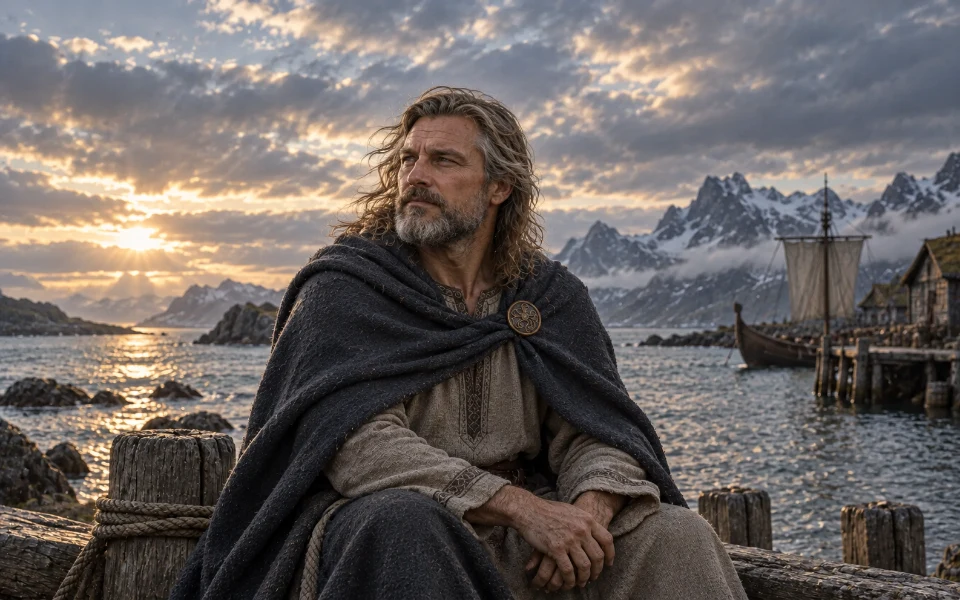
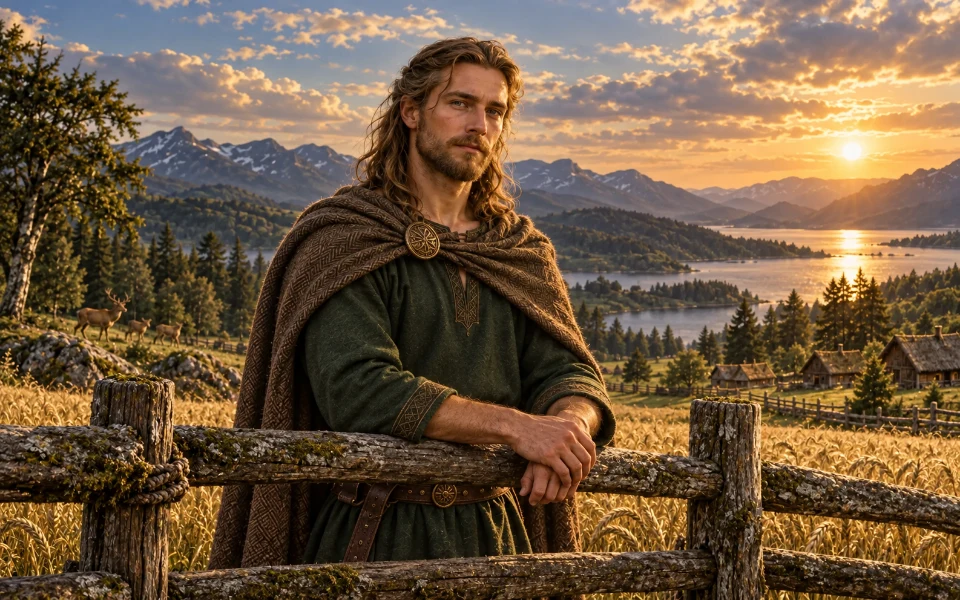
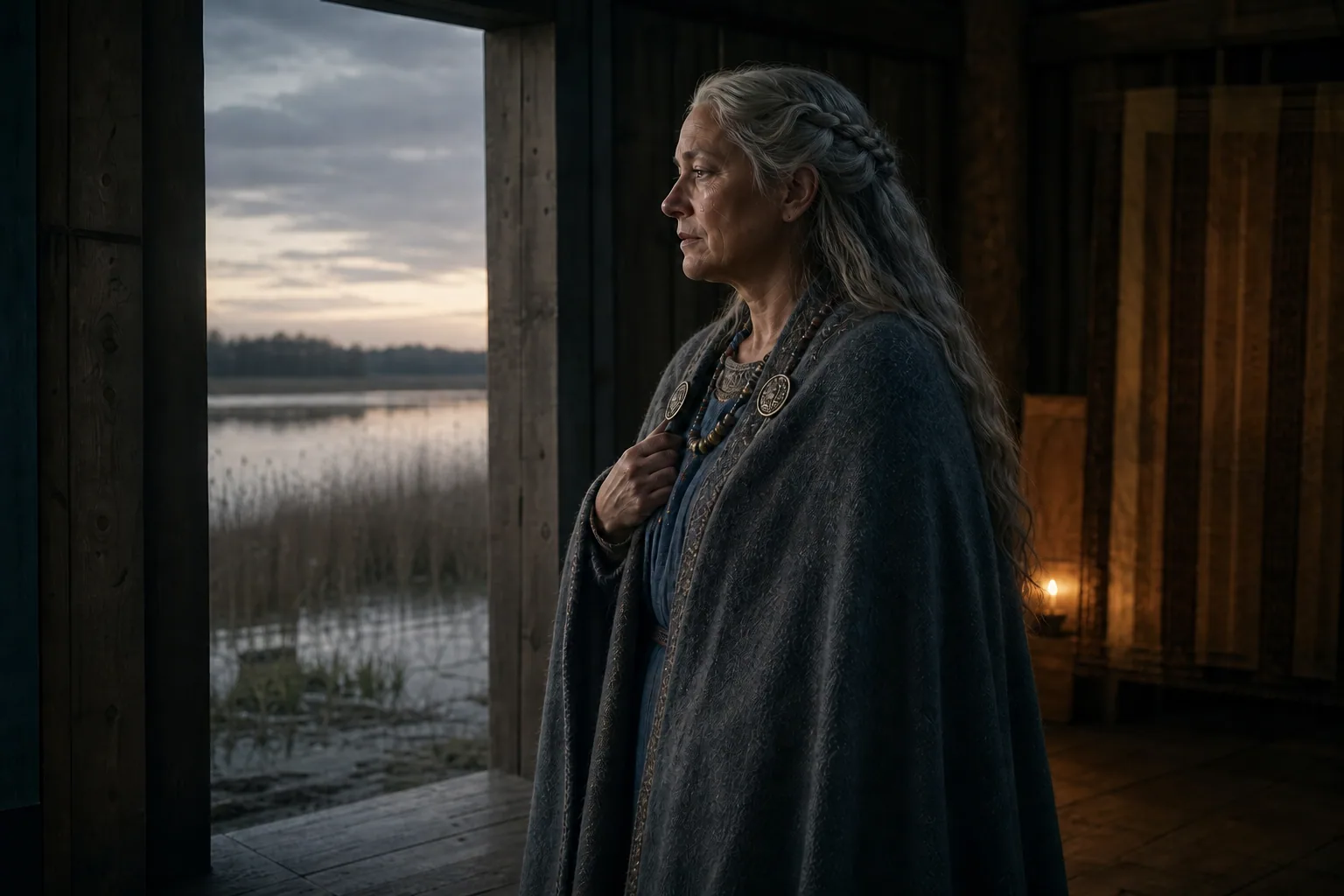
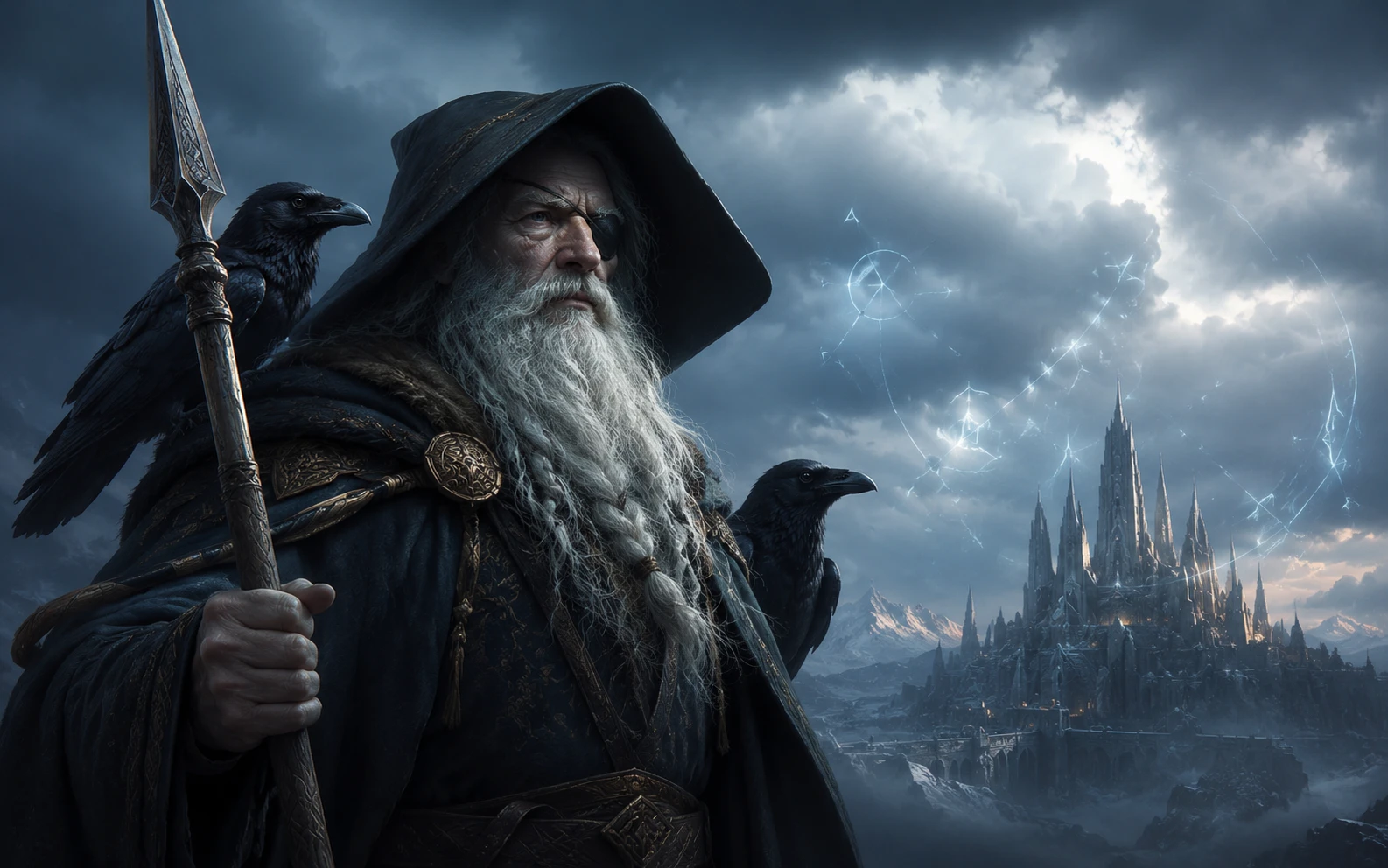
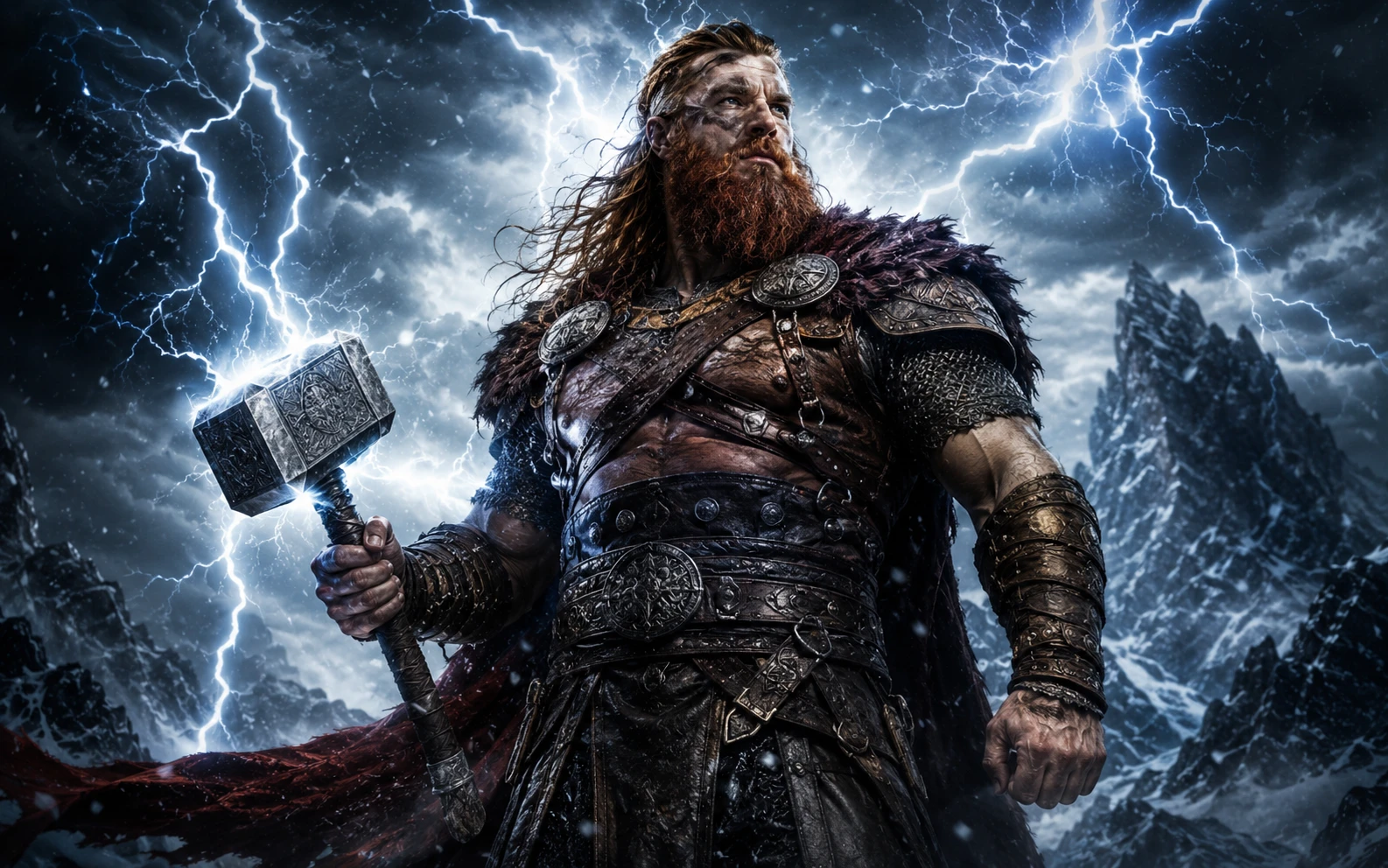
Historical and linguistic connections have been proposed, but the medieval texts give them different families, homes and stories.
The detailed origin of the necklace in the Sörla þáttr should not be read back into the earlier references in the Eddas without caution.
The Grímnismál gives Freyja half of those who fall in battle.
In the Þrymskviða, Freyja angrily rejects the marriage demanded in exchange for the return of Mjöllnir.
Snorri tells of her journeys to find her absent husband and her tears of gold.
The Ynglinga saga credits her with teaching seiðr to the Æsir.
Njörd's daughter, Fólkvangr, cats, Óðr and tears of gold. English translation: Arthur Gilchrist Brodeur, 1916. This reference supports those specific points.
The sharing of fallen warriors with Odin; stanza 14 in Bellows's numbering. English translation: Henry Adams Bellows, 1923, following that edition's numbering. This reference supports those specific points.
The teaching of seiðr and another context for Vanir family relationships. English translation: Samuel Laing, 1844. This reference supports those specific points.
Explore related figures, places and stories. Pages available only in French are labelled.
Place Freyja's life among the Æsir within the wider Norse world.
Find Njörd, Freyr and the family traditions connected with Freyja.
Freyja brings together Vanir kinship, the choosing of the dead, desire, prestigious objects and magical traditions. This range comes from the texts, provided that the source and relative date of each detail remain clear.
Fólkvangr and Brísingamen matter as much as the tears of gold: no single motif is enough to sum up the goddess.