Old Norse name
Baldr
Norse god
Baldr is best known through the story of his death, an event that foreshadows the breakdown leading to Ragnarök. The Eddic poems preserve allusions to it and prophetic scenes; Snorri gives the most detailed continuous account in Gylfaginning.
This profile therefore distinguishes the older poetic material from the narrative arrangement of the thirteenth-century Prose Edda. It presents neither Baldr as simply a sun god, a debated scholarly interpretation, nor mistletoe as his general symbol outside the story of his death.
The surviving texts offer few independent episodes from Baldr’s life. Baldrs draumar opens with his troubling dreams and Odin’s questioning of a seeress whom he raises from the dead. Völuspá refers to Baldr’s death and his return in the renewed world.
Snorri describes him as the son of Odin and Frigg and associates him with the dwelling Breiðablik. This later account brings together older material, but does not allow us to reconstruct an entire cult or a lost biography.
After Baldr’s dreams, the gods seek to protect him. In Gylfaginning, Frigg obtains promises from many things — fire, water, metals, stones, earth, trees, diseases, animals, poisons and snakes — that they will not harm him.
Mistletoe is not asked because it seems too young. Loki discovers this exception by questioning Frigg while disguised as a woman. The episode turns less on a physical weakness in Baldr than on a gap in a network of promises.
The gods then amuse themselves by throwing projectiles at Baldr, since nothing can hurt him. Höðr, who is blind in Snorri’s account, stands apart. Loki gives him the mistletoe and guides his action: Baldr is struck and dies.
Völuspá also attributes the blow to Höðr and foretells Váli’s revenge. Loki’s involvement is developed chiefly by Snorri, although in Lokasenna he claims responsibility for Baldr’s loss.
Baldr’s body is carried onto Hringhorni, his great ship. The giantess Hyrrokkin is called upon to push it into the water. In Snorri’s account, Nanna dies of grief and is placed beside her husband on the pyre.
Odin lays Draupnir on the pyre, Thor consecrates it with Mjöllnir, and several groups of gods and giants attend the funeral. This profile’s image illustrates that specific scene in the text, without claiming to reconstruct a historical rite.
Frigg asks for a messenger to try to ransom Baldr from Hel. Hermóðr rides Sleipnir to the realm of the dead. Hel agrees to release Baldr if all beings and all things weep for him.
Almost all do, except the giantess Þökk, whom Snorri implicitly associates with Loki. Baldr therefore remains with Hel. He nevertheless sends Draupnir back to Odin, while Nanna sends gifts to Frigg and Fulla.
Baldr’s death is not his absolute end. In Völuspá, Baldr and Höðr return after the world’s collapse and dwell together in the renewed landscape.
Baldr thus connects two opposing movements: his loss shows that the gods’ order can be broken, while his return belongs to the aftermath of Ragnarök. The sources foretell this renewal without giving a detailed account of it.
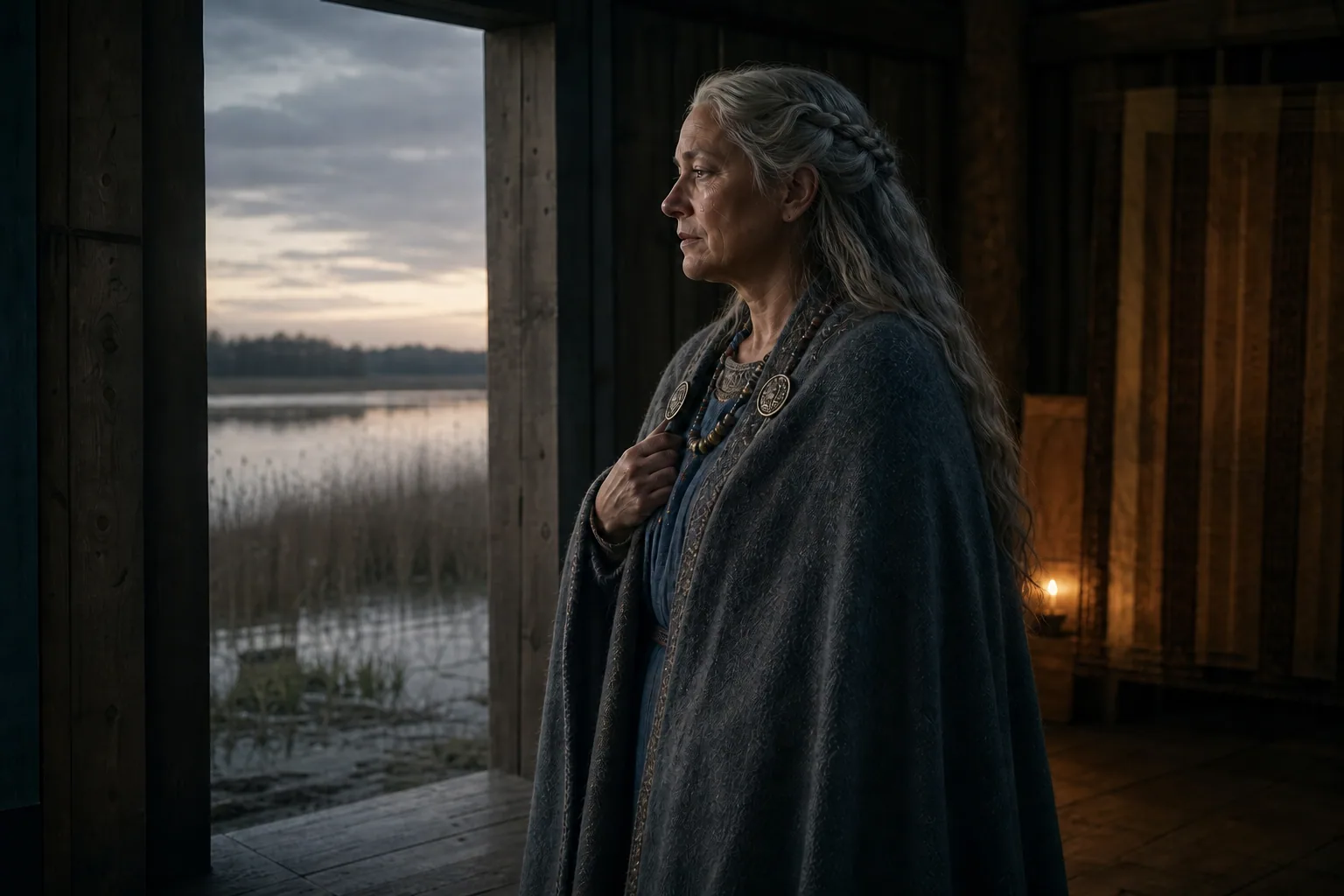
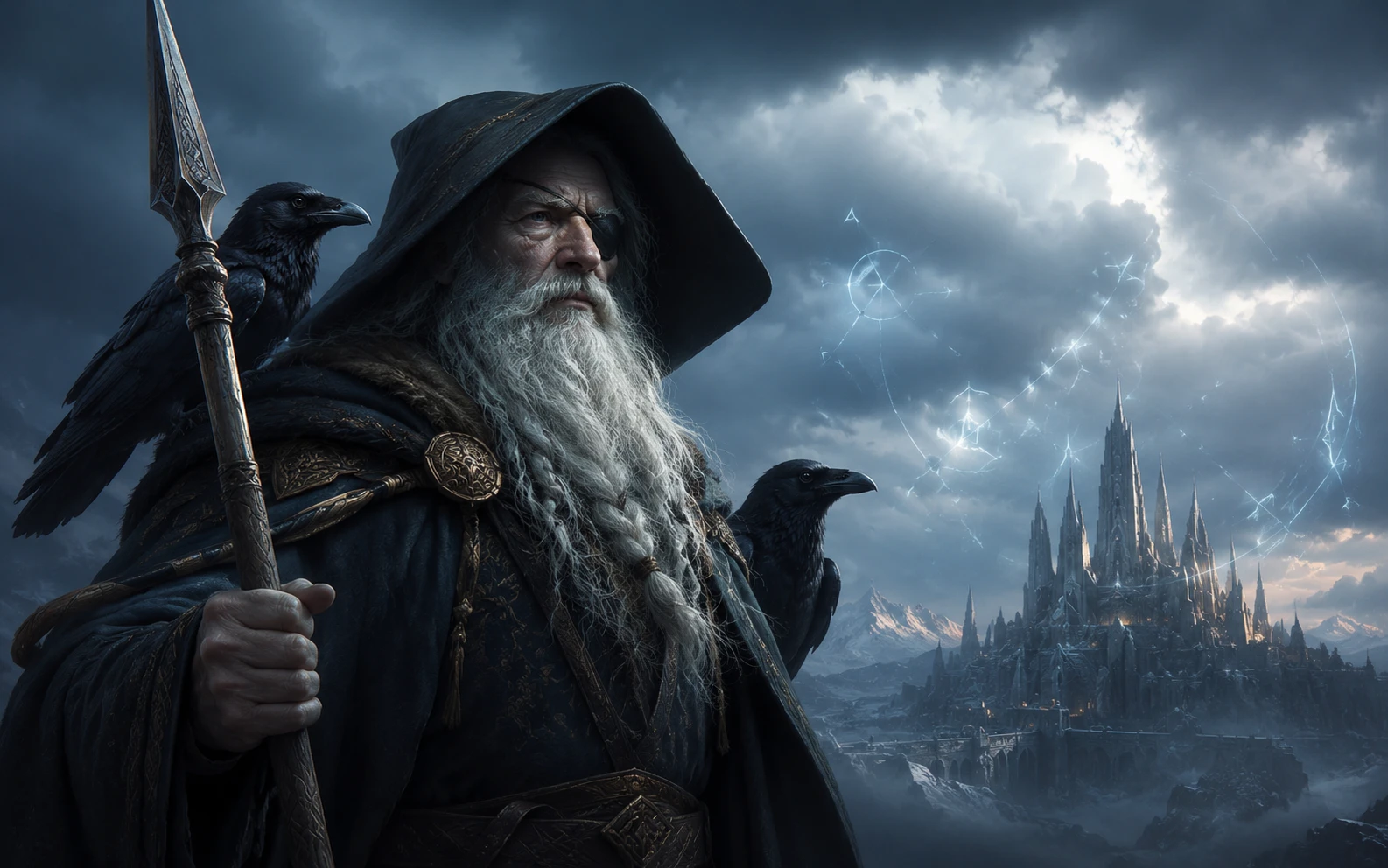
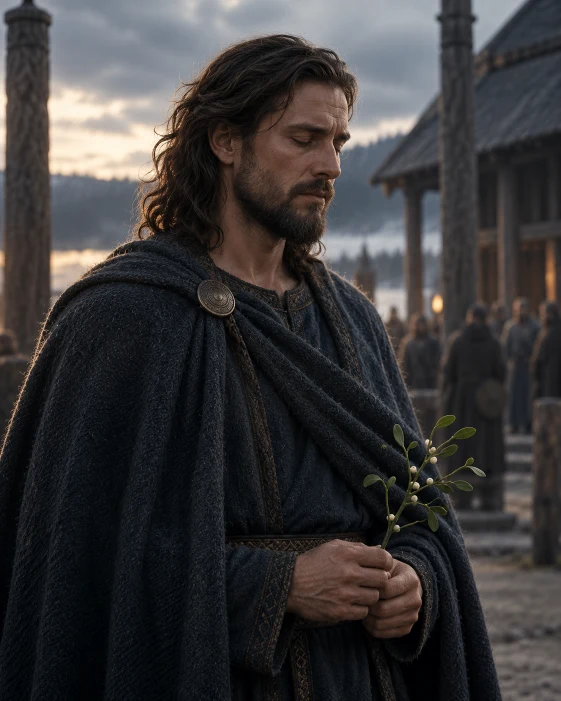
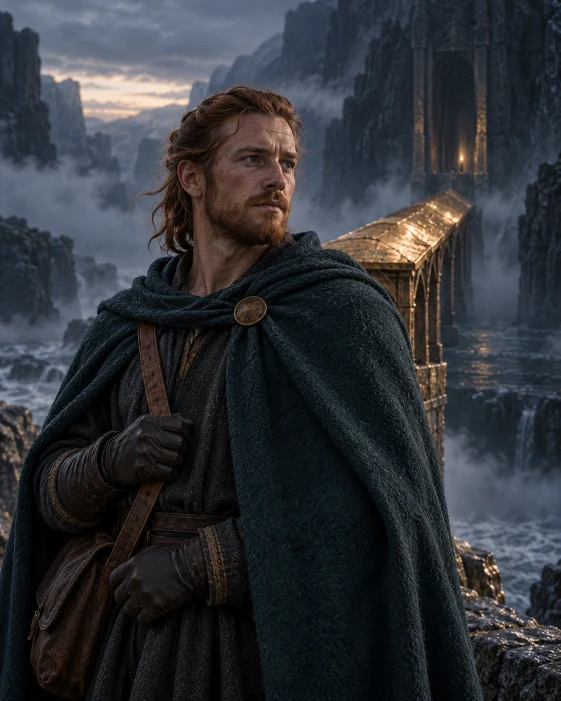
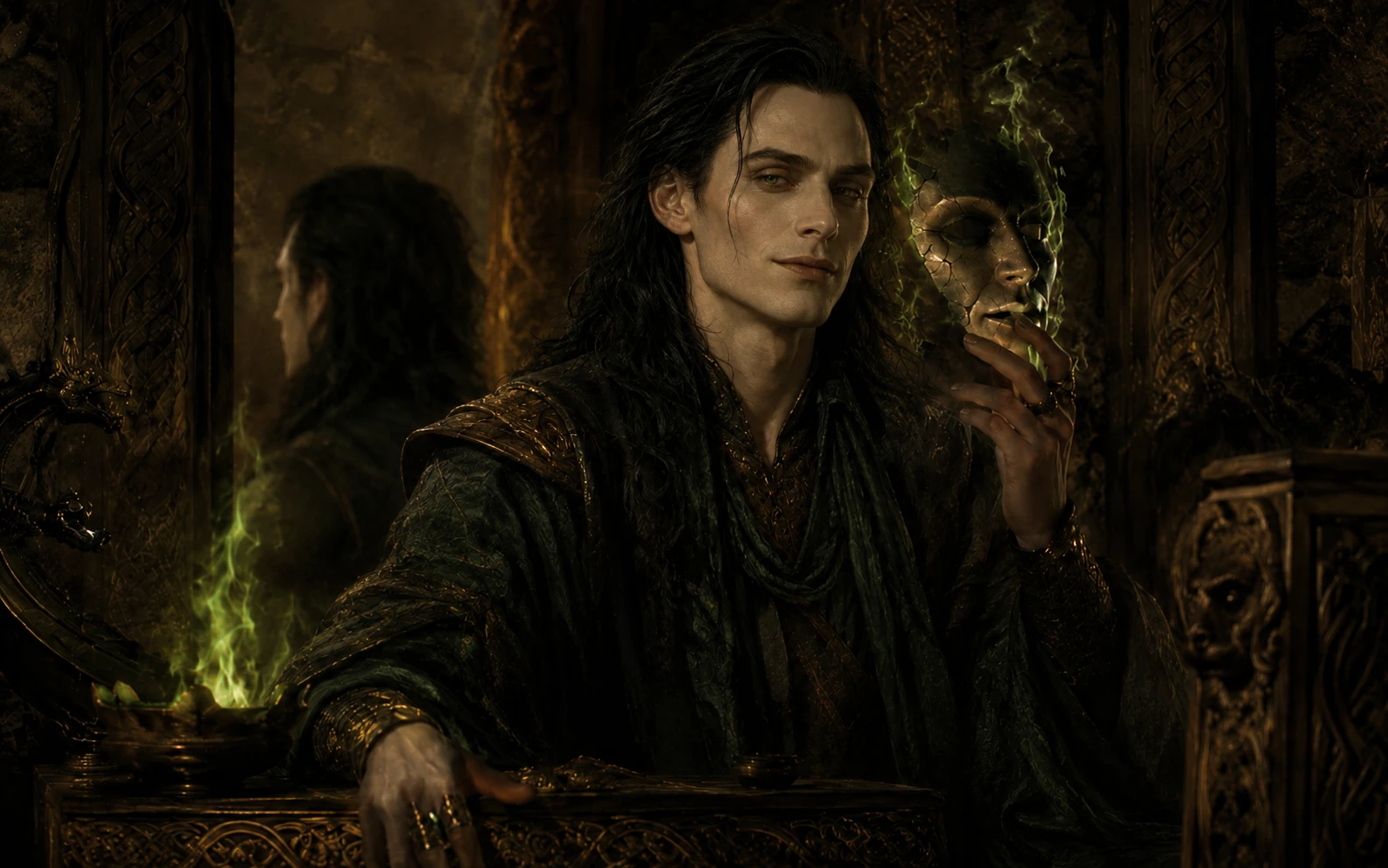
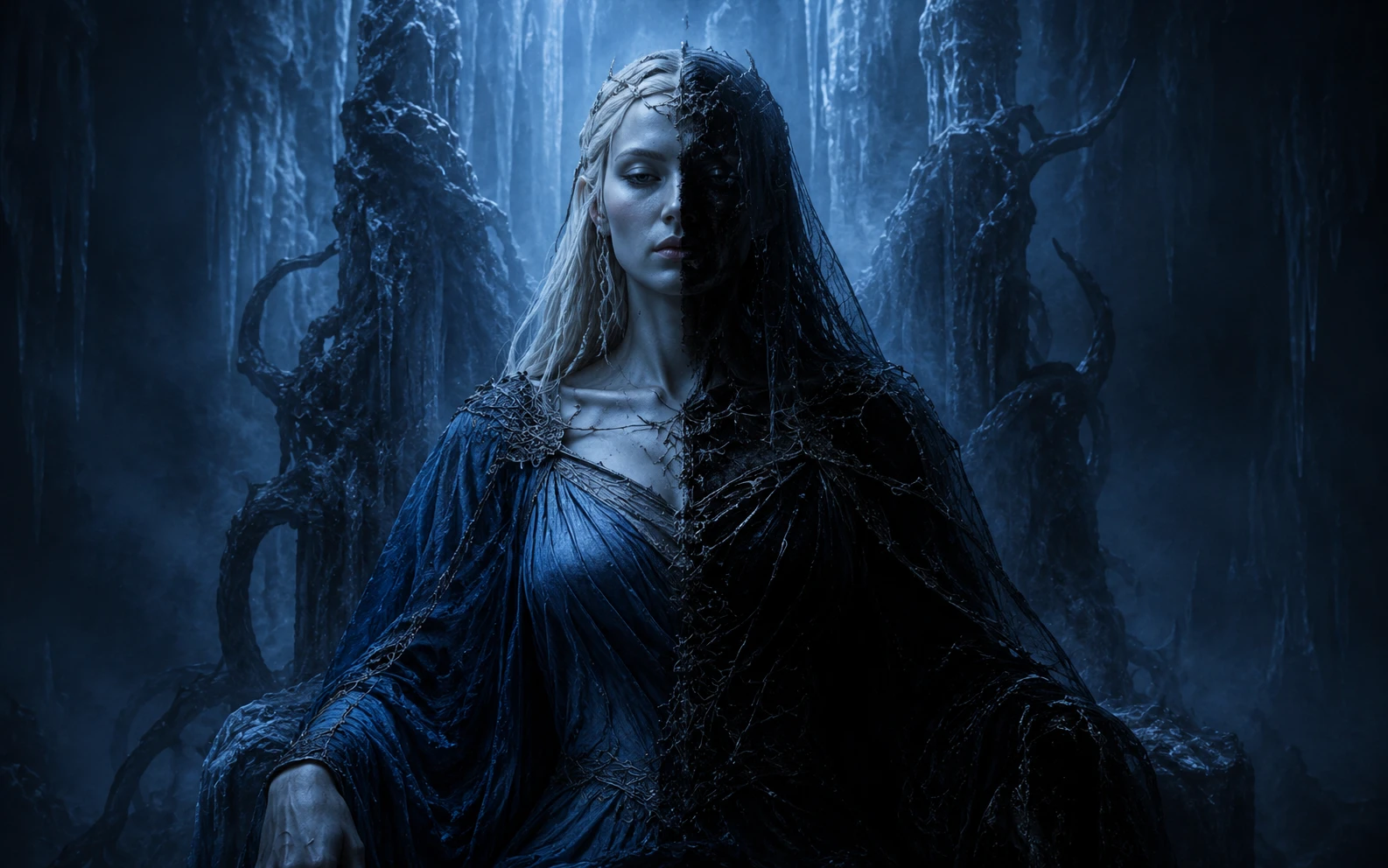
The Eddic poems preserve mainly allusions; the continuous account of the oaths, mistletoe, Hermóðr and the funeral comes chiefly from Snorri.
Identifying Baldr with a dying sun belongs to the history of modern interpretations and should not replace what the medieval texts actually say.
Threatening dreams lead the gods to deliberate and Odin to consult a seeress in Baldrs draumar.
Höðr strikes Baldr with mistletoe; Gylfaginning develops Loki’s deception and the oaths obtained by Frigg.
The gods arrange Baldr’s funeral on his ship, with Nanna, Draupnir and Thor’s consecration.
Völuspá places Baldr and Höðr among the figures who return in the renewed world.
Portrait, death, funeral, Hermóðr’s mission and return. English translation: Arthur Gilchrist Brodeur, 1916. This reference supports these specific points.
Odin and Frigg; Nanna and Forseti. English translation: Arthur Gilchrist Brodeur, 1916. This reference supports these specific points.
Dreams, consultation and the foretelling of Höðr and Váli. English translation: Henry Adams Bellows, 1923 (numbering from this edition). This reference supports these specific points.
Baldr’s death, mistletoe, revenge and the presence of Baldr and Höðr in the renewed world. English translation by Henry Adams Bellows, 1923; numbering from this edition.
Explore related figures, places and stories. Pages available only in French are labelled.
Explore the realm where Baldr remains after the attempt to bring him back.
Follow his connections with Odin, Frigg, Nanna and Forseti, with the passages cited.
Baldr is not documented through a long series of adventures. His narrative power instead comes from the sources’ focus on his death, the gods’ mourning and the failure to bring him back from Hel.
His profile is therefore an important link between Frigg, Loki, Hel and Ragnarök, while reminding us that Norse renewal is foretold more than it is narrated.