Greek name
Athena (Ἀθηνᾶ)
Goddess of wisdom
Athena embodies a distinctive kind of power in Greek mythology: intelligence that calculates, anticipates and protects. Born fully armed from Zeus's head, she brings together warfare and clear thinking, technical skill and politics, thought and effective action.
A goddess of cities, craftspeople and heroes capable of self-control, she often stands against reckless impulses. Where Ares represents the frenzy of battle, Athena represents a clear decision, a well-planned manoeuvre and an act that saves a community rather than setting it ablaze.
Athena protects forms of order that require skill and restraint: a well-governed city, precise craftsmanship, effective speech and carefully conducted warfare. She does not abolish conflict, but gives it a form that can be understood and defended.
This role explains her close connection with Athens, where she becomes the city's great protector. Her olive tree is more than a useful gift: it symbolises a civilisation capable of lasting, cultivating the land and preserving its memory.
Alongside more impulsive gods, Athena represents the moment when violence is brought back under control. She advances armed, but her real weapon is her grasp of the whole situation: she understands what is at stake before others do.
This is why she readily accompanies cunning or disciplined heroes. In epic and in stories of a city's origins, she helps those who can turn strength into decisions with lasting effects, rather than simply favouring the strongest.
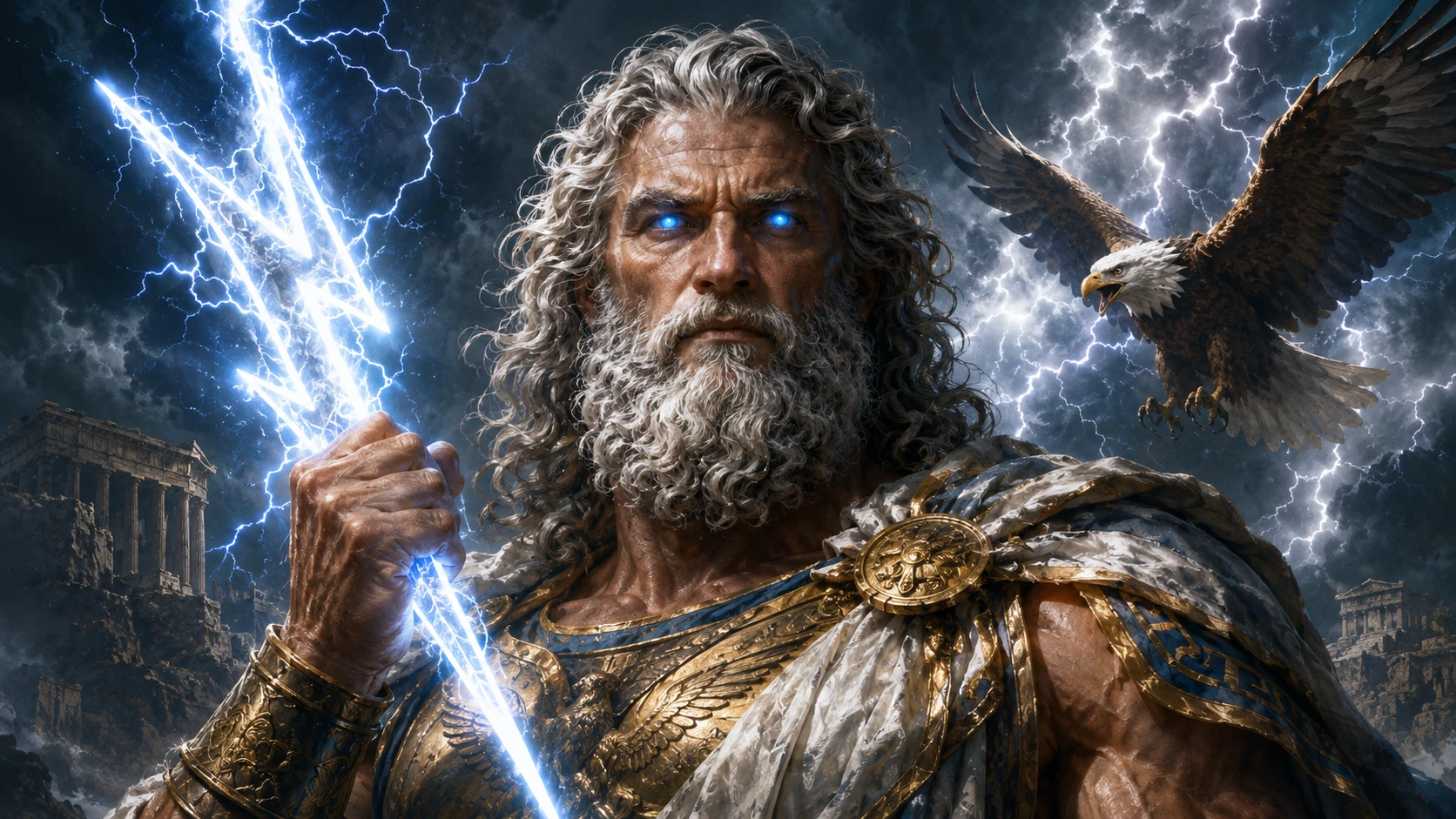
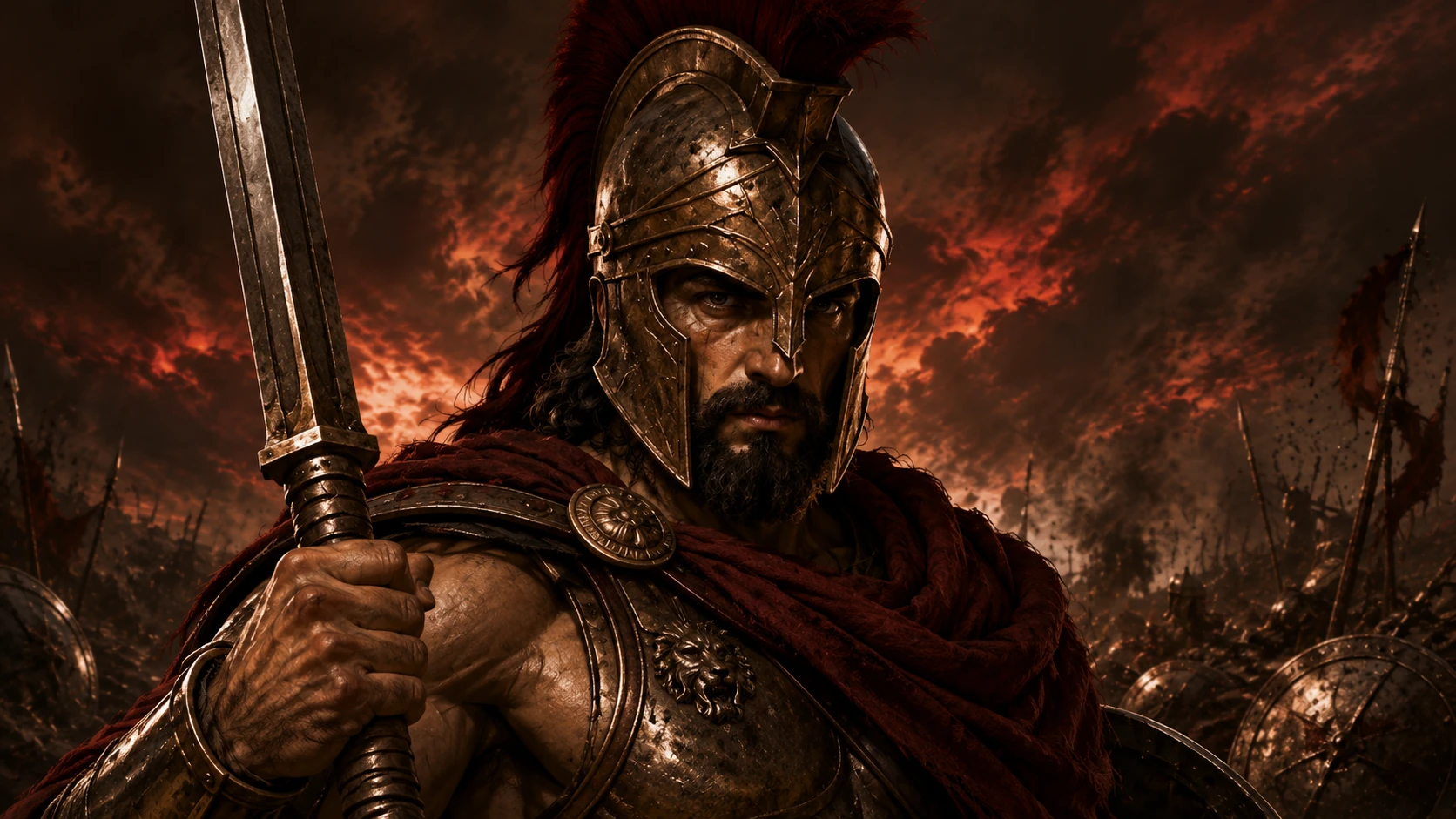

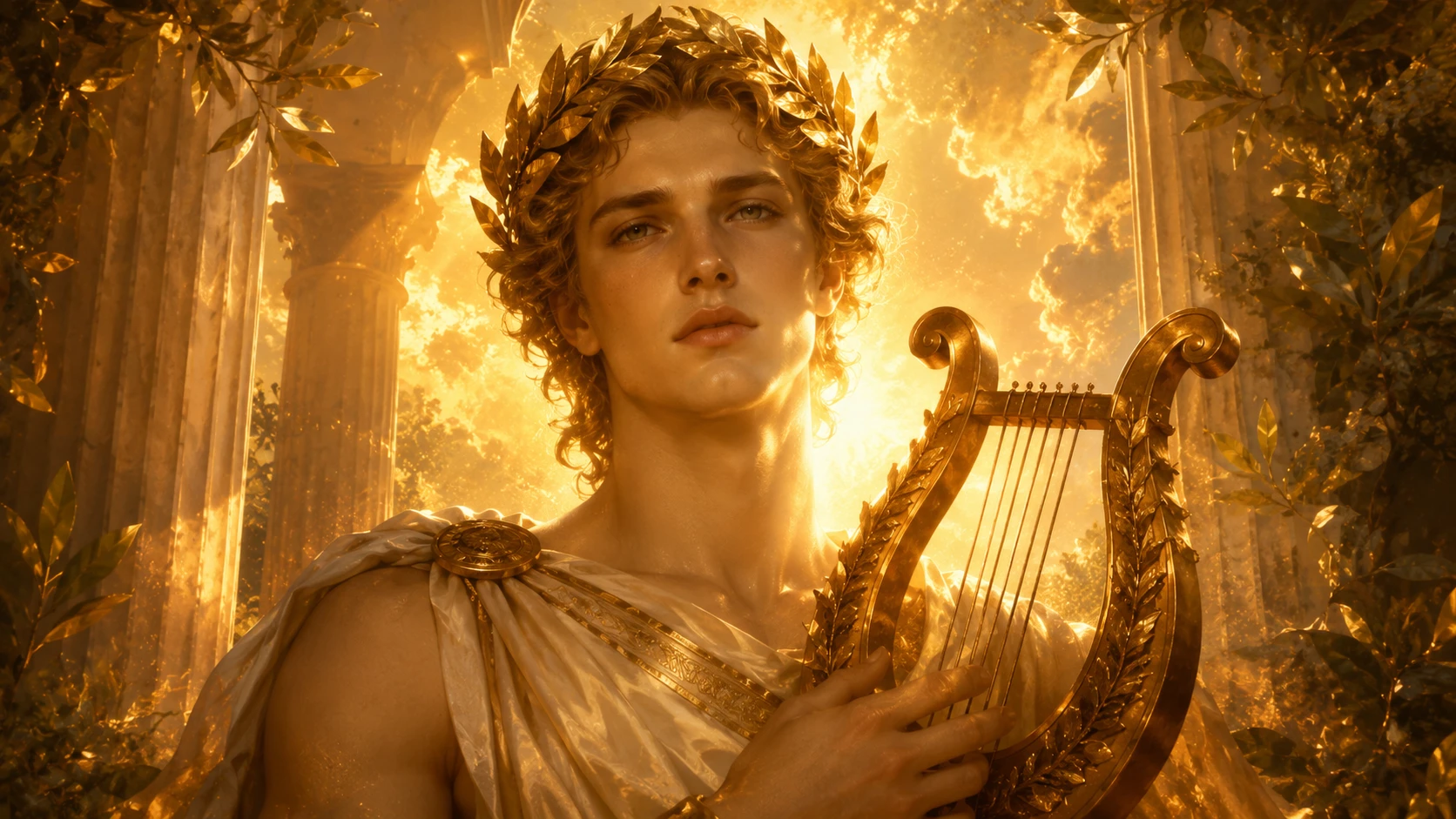

After swallowing Metis, Zeus's head is opened and Athena emerges, already armed. The myth presents her as a power of thought and decision born at the very heart of divine rule.
Poseidon offers a spring or a horse, depending on the version; Athena offers the olive tree. The Athenians choose this more lasting gift, suggesting that a city is better founded on foresight than on a dazzling display of power alone.
Athena especially supports Odysseus, Diomedes and Perseus. Through them, she shows that an admirable Greek hero combines courage, cunning and a sense of the right moment to act.
Zeus swallows Metis, and Athena is born. English translation: H. G. Evelyn-White, 1914. This reference supports those specific points.
Prometheus or, in another reported version, Hephaestus opens Zeus's head. English translation: James George Frazer, 1921. This reference supports those specific points.
A specialist collection of ancient passages, genealogies, variants, iconography and references to source texts.
A French overview to use as a starting point for names, variants, cultural context and bibliography.
Explore related figures, places and stories. Pages available only in French are labelled.
Understand the different ancient accounts of Medusa's transformation and Athena's role in Perseus's quest.
Read the story of Metis, Zeus and the birth of the armed goddess.
Discover Athena's help and the strategy behind Perseus's feat.
Explore the city under Athena's protection.
Follow Odysseus's return to the kingdom Athena helps him restore.
Find Zeus and Metis in the Greek family tree, with the sources for their relationship.
Athena offers a useful way into Greek culture because she connects myth with the practical forms of collective life: warfare, crafts, justice, city life and the education of elites.
She brings together the Olympians, the Trojan War, the founding of cities and the strands of Greek mythology that value self-command over excess.