Greek name
Artemis (Ἄρτεμις)
Goddess of the hunt
Artemis rules over wild places, mountains, the hunt and the transitions of youth. She protects as well as punishes, especially when her domain is violated.
Apollo's twin sister shares his bow and his distance, but her authority turns towards the edges of the settled world, wildlife, the moon and life's vulnerable transitions.
Artemis rules over forests, mountains, animals and life's delicate transitions. She protects the young, but severely punishes those who cross the boundaries of her domain.
This double role explains her ambiguity: she is guardian and huntress, benevolent and fearsome, associated with young girls as well as sudden death.
As Apollo's sister, Artemis shares his bow, distance and precision. But her light belongs to the edges of night, thresholds and untamed nature more than to the ordered life of the city.
Her connections with Zeus, Hecate, Pan and Apollo offer a path through Olympus, the moon, hunting and the wild world.
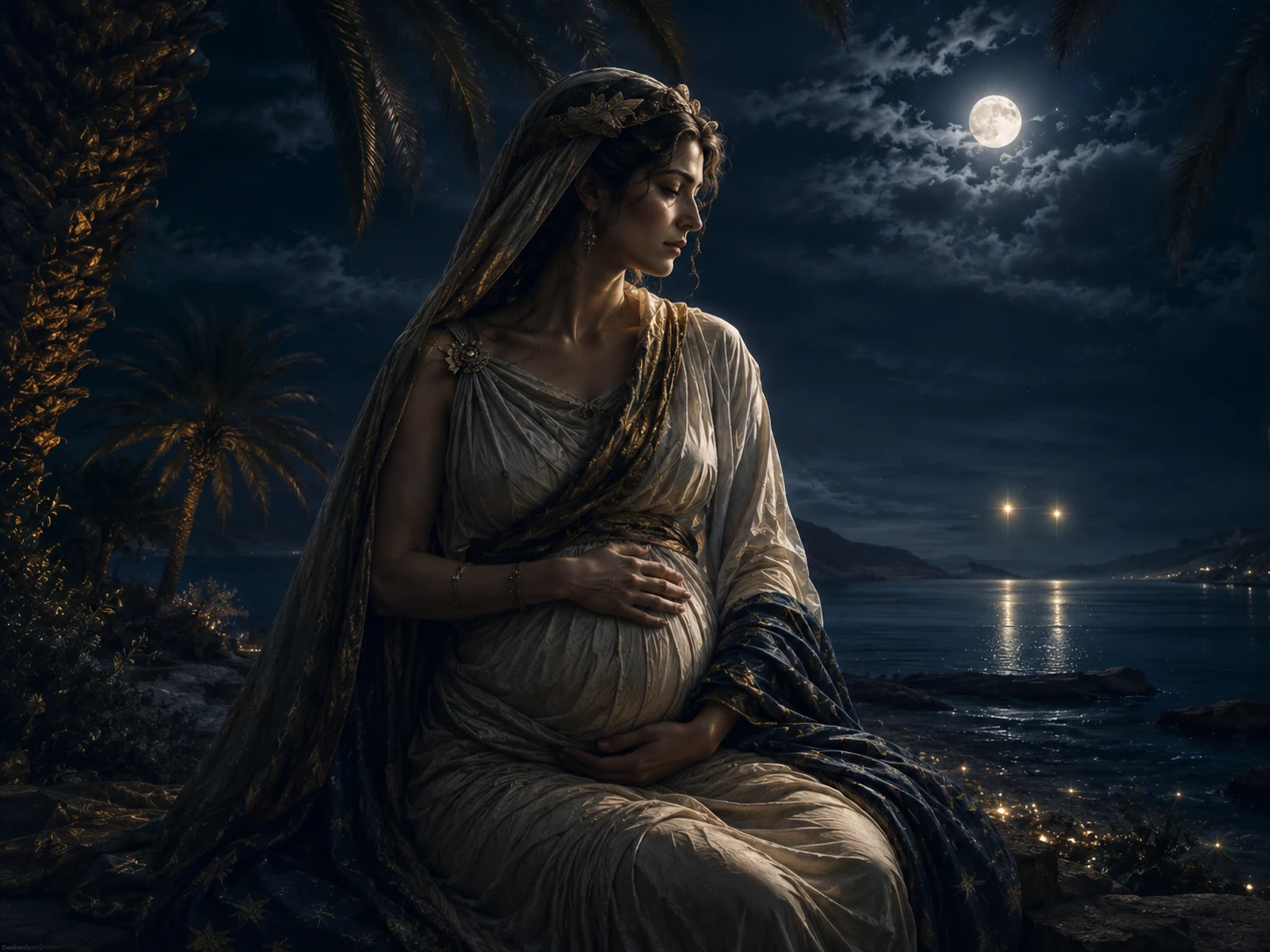
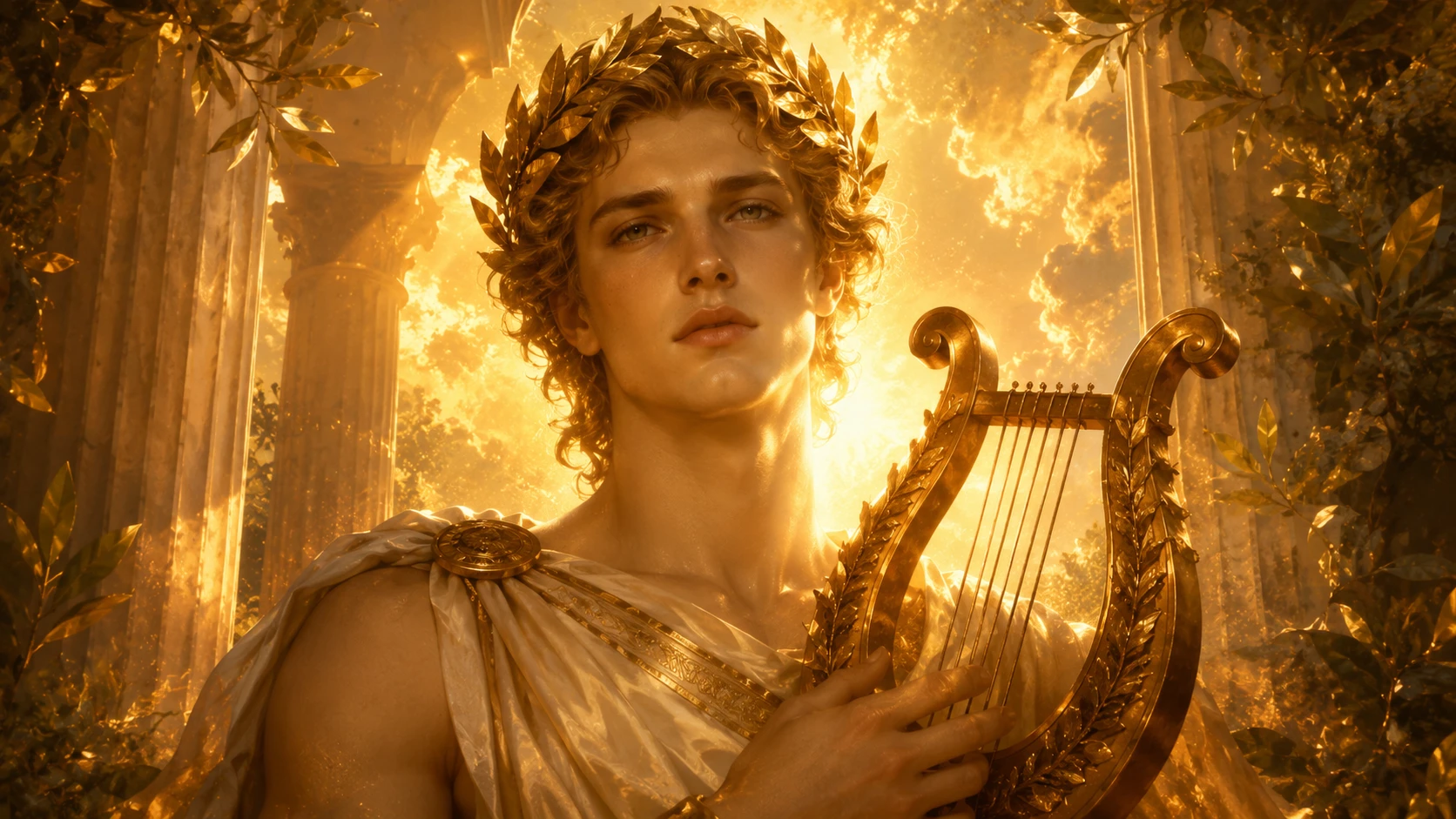
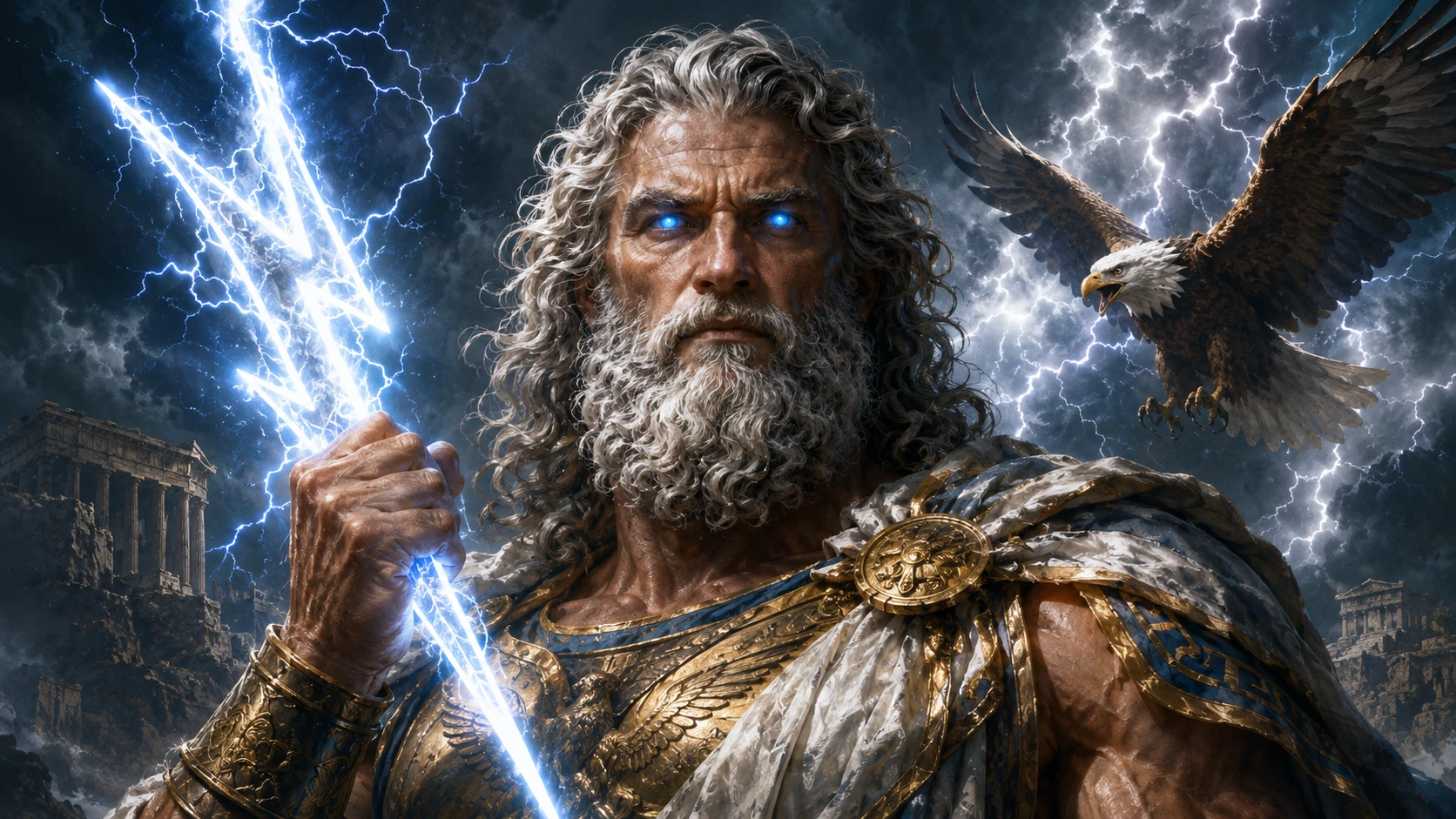

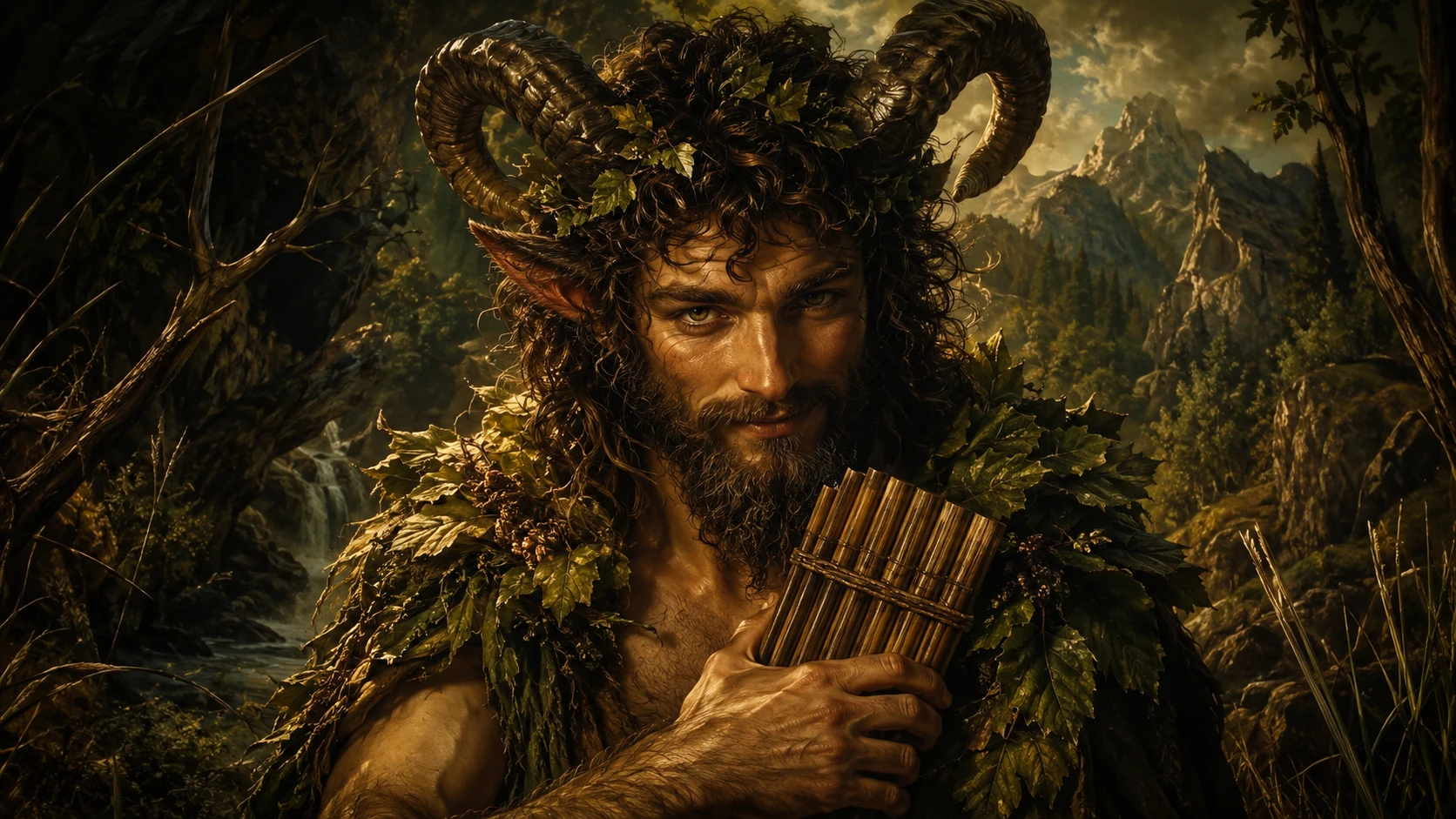
Artemis is first and foremost the huntress of wild places. Her association with the moon, and then with Selene and Hecate, becomes more pronounced in certain later traditions.
In some versions, Iphigenia dies at Aulis so that the fleet can sail to Troy. In others, Artemis replaces her with a deer and carries her away to Tauris.
Artemis protects young girls, childbirth and animals, but she also punishes Actaeon, Niobe and impious hunters. Her kindness depends on strict respect for her boundaries.
Actaeon comes upon Artemis bathing and is transformed into a stag, then torn apart by his own dogs. The myth reminds us that not everything is open to human eyes.
Artemis's anger holds the Greek fleet at Aulis until Agamemnon is asked to make a sacrifice. The story connects the goddess with war, the threshold of youth and ritual demands.
The traditions surrounding Orion connect Artemis with hunting, rivalry and the boundaries between companionship, desire and transgression.
Leto, daughter of Coeus and Phoebe; Apollo and Artemis, children of Leto and Zeus. English translation: H. G. Evelyn-White, 1914. This reference supports those specific points.
Apollo's birth on Delos and the establishment of the Pythian sanctuary. English translation: H. G. Evelyn-White, 1914. This reference supports those specific points.
A specialist collection of ancient passages, genealogies, variants, iconography and references to source texts.
A French overview to use as a starting point for names, variants, cultural context and bibliography.
Explore related figures, places and stories. Pages available only in French are labelled.
Explore Iphigenia's place in the story of Agamemnon's family.
Read about Aulis and the sacrifice demanded before the fleet can sail.
Explore the place where the fleet waits and compare Iphigenia's different fates.
Find her parents and twin brother in the Greek family tree.
Artemis reminds us that nature is more than scenery: it is a sacred domain with its own rules and anger.
She connects Apollo, Hecate, Pan and Zeus around a shared question: what happens to people when they enter a territory that is not theirs?