Egyptian name
Inpu
God of embalming
Anubis is one of ancient Egypt's great funerary figures. He protects the dead and oversees the rites that prepare them for their passage.
His image as a black canid connects him with burial grounds, embalming and the weighing of the heart, where the fate of the deceased is assessed.
Spell 151 of the Book of the Dead associates Anubis with the protection of the body. In the vignette from the Papyrus of Ani, he stands beside the mummy, between the protective presences of Isis and Nephthys.
This role helps explain his lasting importance. He protects the body against decay, the tomb against desecration and the deceased against errors that could threaten survival in the afterlife.
Anubis does not replace Osiris as ruler of the dead; he prepares the way into that realm. His power lies in ritual passage, both as a sacred specialist and a guardian of boundaries.
In the weighing scene of the Papyrus of Ani, Anubis attends to the scales and Thoth reports the result. This division of roles belongs to a particular example: funerary images do not all show the same figures in the same positions.
Anubis prepares the passage: he protects the body, accompanies the deceased and takes his place beside the scales of judgement.
Osiris presides over the afterlife, Maat provides the measure of truth, and Thoth records the decision.
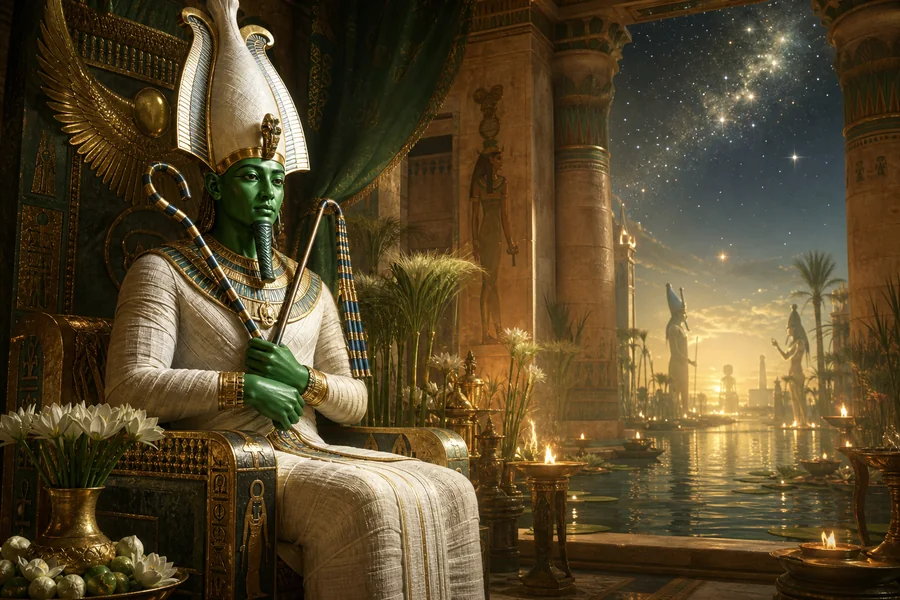

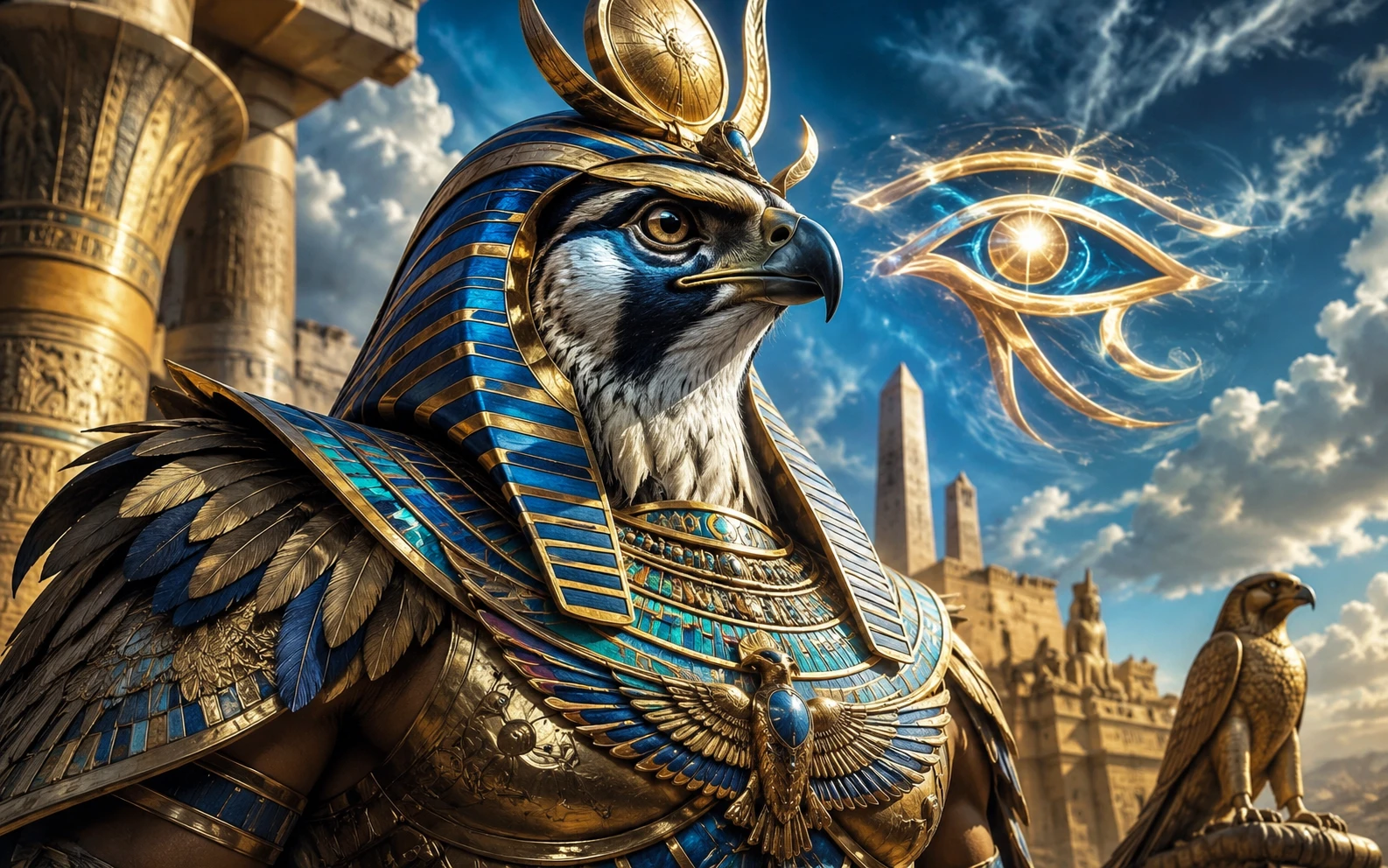
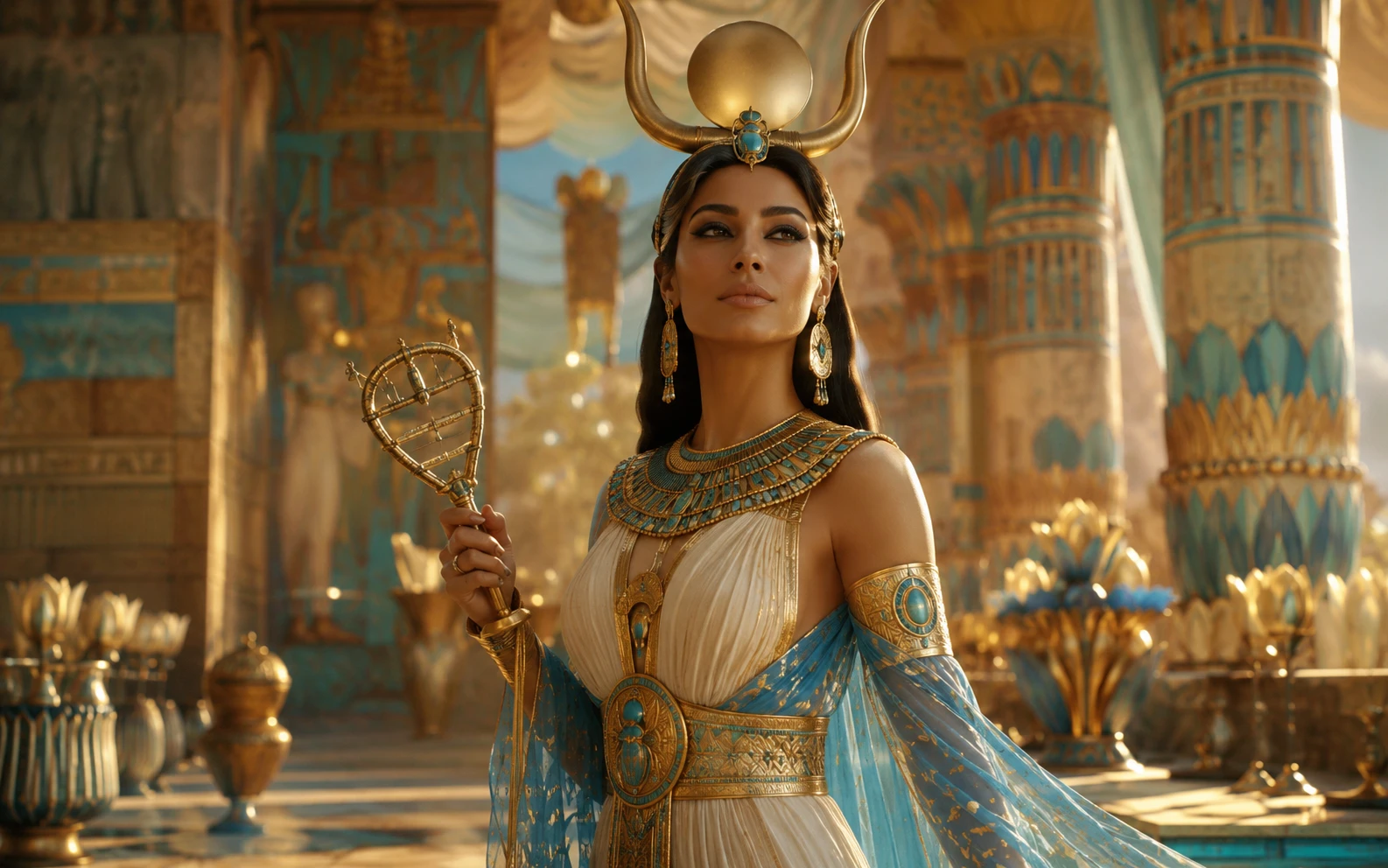
The tree follows Plutarch, § 14, in naming Osiris and Nephthys as parents. Isis's role in raising Anubis remains distinct from the motherhood attributed to Nephthys.
Spell 151 and its vignette show divine care for the deceased. They offer a more precise reference than attributing every stage of Osiris's restoration to Anubis.
Plate III of the Papyrus of Ani shows him attending to the scales. Spell 30B asks the heart not to testify against the deceased.
Through his imagery and epithets, Anubis protects burial places from hostile forces and desecration. He watches where the living can no longer remain.
English translation by Frank Cole Babbitt, Moralia, vol. V (1936), consulted on LacusCurtius. § 12: family variants; § 13: the chest; § 14: Anubis; §§ 15–18: the search and dismemberment; § 19: succession. A Greek account from the Roman period.
E. A. Wallis Budge, The Book of the Dead (1895), plate III, pp. 255–259: English translation and description of the vignette. Heart, feather, Anubis, Thoth and Ammit. The arrangement described belongs to this papyrus, not to every copy.
E. A. Wallis Budge (1895), Papyrus of Ani, plates XXXIII–XXXIV, pp. 360–362: Anubis beside the mummy, with Isis and Nephthys as protectors. The editor identifies additions from other copies; not all are preserved in Ani.
English translation by E. A. Wallis Budge (1895), plate XXX, pp. 344–345, lines 18–26: Anubis asks the deceased to name the door and its leaves before allowing passage.
Explore related figures, places and stories. Pages available only in French are labelled.
Explore funerary texts, the weighing of the heart and passage into the afterlife.
Read the parentage attributed to Plutarch, with its source and limitations.
Anubis is central to understanding Egyptian funerary beliefs, in which the body, ritual and judgement are closely connected.
His profile leads naturally to Osiris, Maat, Thoth and the narratives concerned with the passage of the dead.